
Fill Dirt Delivery in Frisco, TX
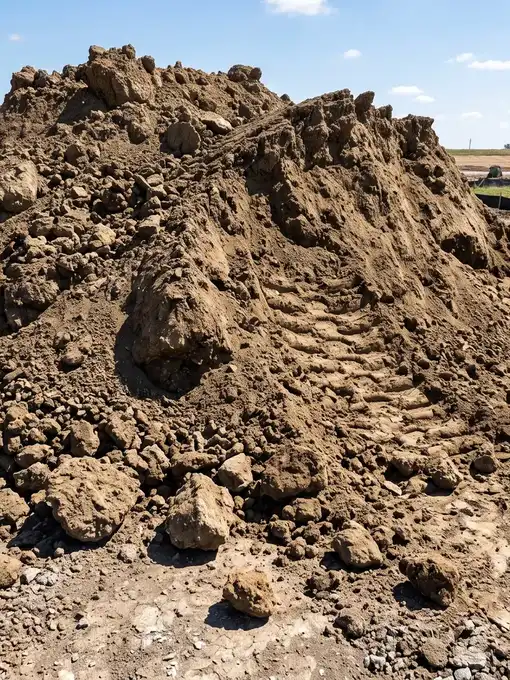
Bulk fill dirt delivered in Frisco, TX. Brown color.
Starting from $478.10 delivered to Frisco for 2 tons, our minimum order
Frisco keeps growing, and nearly every new lot, patio or play yard there starts with someone needing to raise or level ground. If you want fill dirt delivery in Frisco, TX, this page covers what the material is, how to size an order and how ordering works. Frisco fill dirt is sold by the ton, and the smallest order is 2 tons.
Fill dirt delivery across Frisco
Frisco sits in the Dallas-Fort Worth area with about 220,000 residents, and newer lots often need grade adjustments once owners start adding patios and yards. That makes fill dirt a common order for backyard pads, low spots beside foundations and areas behind new retaining walls. Our delivery in Frisco page explains how trucks reach a residential street.
Fill dirt is a brown, general-purpose earth with no screening for plant growth. It is meant to go under something: a slab, a driveway base, sod, or a layer of better soil. For the layer you will actually plant in, look at Premium Screened Topsoil instead, and plan fill dirt for the bulk underneath.
Best uses for fill dirt in this part of North Texas
- Raising a backyard pad so water runs toward the street rather than the house.
- Filling a trench or utility cut after the pipe or conduit is inspected.
- Building up the base for a shed, a hot tub pad or a retaining wall footing.
- Bringing a sunken area of lawn back to grade before laying sod.
- Backfilling behind a new wall once drainage stone is in place.
Where a project needs a clean, free-draining layer rather than earth, Pea Gravel is the usual partner material for walkways and drainage runs.
How much fill dirt you need
Measure the area in feet, multiply length by width, then by the depth in inches, and divide by 324 to get cubic yards. Our fill dirt weighs roughly 2,200 lb per cubic yard, so one cubic yard is a little over a ton. A 20 by 15 foot pad raised 6 inches comes to about 5.6 cubic yards, or around 6 tons. The calculator does the same math if you would rather type in the numbers.
Clay-heavy Texas soil compacts differently from sandy fill, so add roughly 10 to 15 percent to your total if the dirt will be tamped in lifts. Order in whole tons and round up: a short load means waiting on a second order, and extra dirt is easy to spread on a low corner of the yard.
Pricing and ordering
The price is delivered, so it already includes getting the dirt to your address. Enter your ZIP on the product page and the live engine shows the delivered price for that location. Larger orders get a lower rate per ton, which is why one combined order for a big project beats several small ones.
When you check out, pick a spot the truck can reach and keep overhead lines in mind. Tell the driver where the pile should go, since a delivered load is dumped in one place. If the area is far from the street, plan on wheelbarrows or a skid steer to move it.
Browse the full Fill Dirt in Texas page for other cities we serve in the state.
Nearby cities and neighbors
Many Frisco customers also have projects in Plano, about 8 miles away, and in Lewisville, McKinney, Carrollton and Denton, which sit between 12 and 18 miles out.
Preparing the site before the truck arrives
Scrape the footprint down to bare soil before the load arrives, because any turf left underneath will decay and let the new surface sink in patches. Call 811 before any digging so buried lines are marked, and look up the rules of your homeowners association if you are changing the grade near a property line. Also check whether your lot has a drainage easement, since a fresh pile or a raised edge can block one without you noticing.
Check the forecast too. Dirt spreads and packs far better when it is damp than when it is dusty or soaked, and a hard storm right after delivery can carry an unprotected pile into the gutter. If rain is coming, cover the pile and move it to its final place as soon as the ground dries a little.
Finishing the surface
Once the fill is compacted, rake it smooth, check the slope with a long level or a string line, and top it with whatever the project calls for. Pavers need a leveled stone bed, and a bare pad can simply be left to firm up. Walk the area after the first heavy rain and patch any spots that dipped.
About Fill Dirt
Fill dirt is a plain brown earth used to build up, level and backfill ground. It is not screened for gardening, so it can hold small stones, clay lumps and bits of root. That is fine for what it does: it packs firm under slabs, pavers, driveways and sod, and it costs less to use than a premium soil when the layer will be covered.
It is sold by the ton here, and one cubic yard weighs about 2,200 lb. Moisture changes the weight a little, and wet dirt compacts best, so a light watering while you tamp each layer helps it settle evenly. Spread it in lifts of 4 to 6 inches rather than one deep pour, and expect some settling in the first rains.
Do not use fill dirt as a planting bed for vegetables or flowers. For that, top it with screened topsoil. For drainage layers around pipes or behind walls, use stone instead.
What Fill Dirt costs in Frisco
Local Frisco yards quote fill dirt by the ton; the delivered number includes fuel, the truck, and the haul. Send your ZIP and load size and we will send back a same-hour quote with the truck rate and the per-ton figure spelled out. A ton of this material spreads across about 98 sq ft when laid 3 inches deep, useful when you are sizing a patio base or a walkway run.
How crews use Fill Dirt in Frisco
In and around Frisco, fill dirt shows up most often on two project types. The most common deployment is erosion control, often in tight urban lots and infill builds in two to three inch lifts. Second on the list is driveway gravel, which we see in dense neighborhoods where curb access is short on partial-truck deliveries. At roughly 219,587 people, the Frisco order mix leans toward 3 to 8 ton residential drops with the occasional 16 ton job for a contractor.
Delivery day in Frisco
A typical Frisco drop is dispatched from the closest yard with a two hour window and a heads-up call once the truck is loaded. Tandem trucks want a 12 ft lane in and out; tri-axles need 14 ft, and both want firm ground at the tipping spot so the load releases cleanly. Standard lead time on this lane is Mon-Sat, with same-day windows held open for orders that hit the desk before 11 AM and clear payment.
Related materials we deliver in Frisco
 Price by ZIP
- SizeScreened, no size grade
- Density2200 lb/yd³
- ColorDark brown
 Price by ZIP
- Density2000 lb/yd³
- ColorDark brown
 Price by ZIP
- Density1000 lb/yd³
- ColorDark brown
Estimate how much you need
Work out your material
A planning figure, not a guarantee. Order roughly a tenth extra to cover settling and uneven ground.
Browse more
Common uses for Fill Dirt in Frisco
Available in nearby cities
Plan your project
Related guides
 GUIDEWhat Is Crushed Stone? Sizes, Uses and Buying BasicsCrushed stone is quarried rock crushed and screened into angular pieces sold by the ton. Here is what it is, how it is graded, and where to use it.Read guide →
 GUIDEHow Much Does Gravel Cost? A Practical Pricing GuideHow much does gravel cost and why does it vary? See the real factors behind ton pricing, delivery, and order size before you buy.Read guide →GUIDEGravel Size Chart: Pea Gravel to Crushed StoneA gravel size chart showing pea gravel, crushed stone and river rock diameters side by side, so you can match the right size to your project.Read guide →
 GUIDEThe Different Types of Gravel and How to ChooseA plain-language guide to the main types of gravel, covering pea gravel, crushed stone, river rock and decomposed granite.Read guide →
Frequently Asked Questions
What can I do with leftover fill dirt?
Leftover dirt is easy to put to use. Spread it thinly over other low spots in the yard, build up the edges of the new pad, or keep a small pile under a tarp for touch-ups after the ground settles. Avoid dumping it where it could block a drain or wash into the street.
Does fill dirt have rocks or debris in it?
It can contain small stones, clay lumps and some roots, because it is not screened the way topsoil is. It should not include trash or construction waste. If your project needs a smooth surface, rake out the larger pieces by hand, or finish with a layer of screened soil.
How do I stop fill dirt from washing away in a Texas storm?
Heavy North Texas rain can move loose dirt quickly. Shape the pile with a gentle slope, compact it in thin lifts, and cover bare areas with sod, straw or erosion matting soon after you finish. Keep downspouts pointed away from the new fill so runoff does not cut channels.
Is fill dirt the right choice for a driveway base?
Only for the lower layer. Fill dirt can bring a low spot up to grade, but the working surface needs crushed stone, which locks together and sheds water. Compact the dirt first, then top it with stone such as #57 Crushed Stone for strength where vehicles will drive.
How long should I wait before building on new fill?
Compacted fill in thin lifts can be built on much sooner than a loose dump. If you simply dumped and spread it, give it time and a few good rains to settle. For anything structural like a slab or footing, ask your engineer or the local permit office what compaction they require.
What is the smallest amount I can order?
For Frisco fill dirt, the smallest order is 2 tons. Fill dirt is sold by the ton, so a small patch repair may still need more than you expect once you account for depth. Measure the area, run the numbers, and order that amount rather than guessing by pickup-bed loads.
Can I order for more than one address in the Frisco area?
Yes. Each address gets its own delivered price because the engine works from the ZIP you enter. If you have a job in Frisco and another in a nearby city like Plano, place two orders and check each ZIP so the pricing matches the actual drop location.
Will the truck damage my driveway or lawn?
A loaded dump truck is heavy. Ask the driver to tip the load on the street end of the driveway if you are worried about cracks, or lay plywood or boards where wheels will cross. Keep sprinkler heads and irrigation lines marked so nothing gets crushed while the load is placed.