
Fill Dirt Delivery in McKinney, TX by the Ton
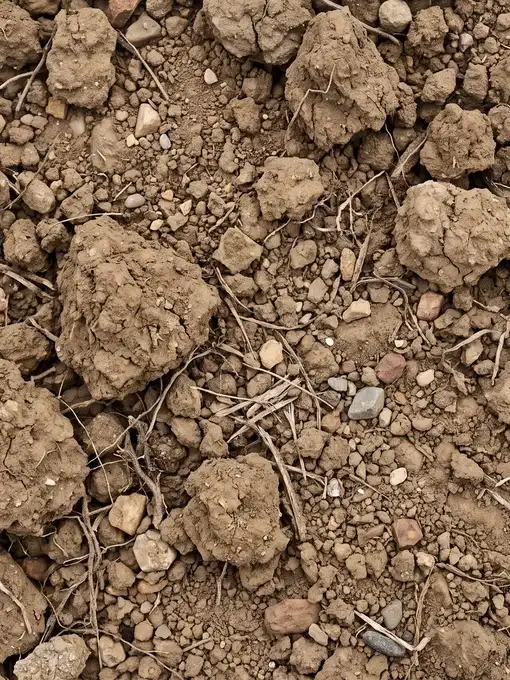
Bulk fill dirt delivered in McKinney, TX. Brown color.
Starting from $478.10 delivered to McKinney for 2 tons, our minimum order
A pool backfill or a backyard regrade in McKinney usually starts with the same question: where does the extra earth come from? For fill dirt delivered in McKinney, TX, this page explains how the material is sold, how to estimate a load, and what to do with it once it lands. For other cities and the broader picture, see Fill Dirt in Texas.
Fill dirt delivery in McKinney, TX
The city has about 211,000 residents and sits within the Dallas-Fort Worth area, with Frisco and Plano each about 14 miles away, Garland at 16, Carrollton at 22 and Lewisville at 23. Full drop-off information for the city lives on delivery in McKinney.
What people in McKinney use it for
- Closing the gap after a pool, spa or retaining wall is built.
- Raising a backyard so a patio, play area or turf panel sits level.
- Correcting a grade that sends runoff toward the garage.
- Filling around new fence posts and mailbox footings.
- Building a base for sod across a lot cleared by a builder.
Newer neighborhoods often have soil stripped or compacted by earlier construction.
Sizing the load
Start with the square footage of the area, multiply it by the depth in inches, and divide by 324 to get cubic yards. Since the product is sold in tons, multiply by about 1.1. As an example, a 25 by 25 foot yard raised 3 inches needs close to 6 cubic yards, or roughly 6.4 tons.
Build in a margin of 10 to 15 percent for settling. You can also enter your dimensions into the calculator, which handles the conversion and saves you from checking your math twice.
Pool and patio work
Around a new pool deck or patio, the earth beside the structure is often the part that settles first. Stop a little below the final edge so the finishing material can sit flush. Leaving the last couple of inches open is easier than digging out extra later.
Planning around an HOA or a builder
Subdivision lots frequently come with grading plans that set how water must leave the property. Before you change levels, compare your plan to the original so you do not push runoff onto a neighbor. A quick sketch with the height at each corner of the area is enough to keep the work on track. If a builder or the HOA keeps the original grading plan on file, ask for a copy before you start, since it shows which way each part of the lot is meant to drain.
Finishing the job
Once the fill is graded and firm, most McKinney yards get Premium Screened Topsoil before seed or sod. Where the plan calls for a decorative bed or a drainage strip, Pea Gravel makes a tidy surface. Both are sold by the ton, like the fill itself, so a single order can cover the whole project once you know each quantity.
Compaction tips
Work in lifts of roughly 6 inches. Use a plate compactor for larger areas or a hand tamper for small ones, and run it over each layer more than once. The clay-heavy ground in Collin County swells when wet, so keep the finished grade crowned slightly rather than flat.
Cost and minimums
Add the McKinney ZIP and the delivered price for that address is calculated live. Larger orders are charged a lower rate per ton. Everything starts at 2 tons.
Placing your order
Select Fill Dirt, enter your ZIP, set the tonnage and check out. In the notes, mention where the truck should tip the load, and keep the area free of vehicles, sprinkler heads and low wires. HOA rules sometimes limit how long a pile can sit in a driveway, so it helps to have your wheelbarrows and crew lined up beforehand.
About Fill Dirt
Fill dirt is unscreened brown earth, taken from below the surface layer, used for raising grade, leveling and backfilling. It is sold by the ton, and a cubic yard weighs around 2,200 lb.
The mix usually includes clay, sand and some small rock, so it compacts to a firm base but does not make good growing soil. Most buyers use it for the bulk of a job and finish with topsoil, sod or stone on top. Moisture content changes how it handles: a load that arrives damp compacts easily, while very dry earth benefits from a light watering as it is tamped into place.
What Fill Dirt costs in McKinney
Around McKinney, fill dirt is quoted by the ton with delivery layered in based on distance from the closest yard. Send your ZIP and load size and we will send back a same-hour quote with the truck rate and the per-ton figure spelled out. Plan on roughly 98 sq ft of coverage per ton at 3 inches deep, which puts a single-car driveway in the 4 to 7 ton bracket.
How crews use Fill Dirt in McKinney
McKinney contractors keep fill dirt on the order sheet for a short list of standard installs. Top of the list is erosion control, where the material is rolled out in tight urban lots and infill builds and screeded to grade. Right behind that is driveway gravel, common in dense neighborhoods where curb access is short and often paired with edging or fabric below the lift. McKinney sits at about 211,171 residents, which means we see steady weekday traffic from landscape crews and weekend pickups from owner-builders.
Delivery day in McKinney
Delivery in McKinney runs out of the nearest pit; you get a two hour arrival window the evening prior and a call when the driver leaves the scale. Plan for 12 ft of clear path for a tandem and 14 ft for a tri-axle, plus a level area at the dump point so the bed lifts straight. Standard lead time on this lane is Mon-Sat, with same-day windows held open for orders that hit the desk before 11 AM and clear payment.
Related materials we deliver in McKinney
 Price by ZIP
- SizeScreened, no size grade
- Density2200 lb/yd³
- ColorDark brown
 Price by ZIP
- Density2000 lb/yd³
- ColorDark brown
 Price by ZIP
- Density1000 lb/yd³
- ColorDark brown
Estimate how much you need
Work out your material
A planning figure, not a guarantee. Order roughly a tenth extra to cover settling and uneven ground.
Browse more
Common uses for Fill Dirt in McKinney
Available in nearby cities
Plan your project
Related guides
 GUIDEHow Much Does River Rock Cost? By Ton or YardRiver rock cost depends on your ZIP code, order size, and whether you buy by the ton or the cubic yard. Here is how pricing works.Read guide →
 GUIDEWhat Size Crushed Stone Goes Under a Concrete SlabMost slabs need 4 to 6 inches of compacted crushed stone underneath. What size crushed stone under a concrete slab needs, and why it matters.Read guide →
 GUIDEWhat Is Crushed Stone? Sizes, Uses and Buying BasicsCrushed stone is quarried rock crushed and screened into angular pieces sold by the ton. Here is what it is, how it is graded, and where to use it.Read guide →
 GUIDEHow Much Does Gravel Cost? A Practical Pricing GuideHow much does gravel cost and why does it vary? See the real factors behind ton pricing, delivery, and order size before you buy.Read guide →
Frequently Asked Questions
Do I need a permit to bring in fill dirt?
Usually not for a small residential regrade, but rules can change if you are raising ground in a floodplain or changing how water leaves your lot. Check with the city or your HOA if you are making a major grade change or working near a drainage easement.
Is fill dirt safe around trees?
Piling more than a few inches over a tree's root zone can suffocate it. Keep fill away from the trunk, and leave a clear ring around it. If the grade must rise near a mature tree, an arborist can suggest a well or other workaround.
Should I clear the ground before spreading fill?
Yes. Strip the sod, roots and loose debris from the area first, because buried grass rots and leaves voids that settle later. On hard McKinney clay, rough up the surface with a rake or tiller so the first layer of fill bonds to the ground below instead of sliding on it.
Why does my fill settle after rain?
Loose earth contains air pockets, and rainfall carries fine particles into them. Whatever movement remains is usually fixed by topping up the low spots a few weeks later with leftover material, so keep a small pile in reserve rather than hauling it all away.
What is the best way to spread a big pile?
A skid steer or small tractor is fastest. By hand, use a wheelbarrow and move the pile in stages, leveling as you go with a landscape rake. Mark the finished height with stakes and string so you can see when each area is done.
Can I mix fill dirt with compost or sand?
Yes. Sand loosens heavy clay, and compost adds organic matter near the surface. Keep those blends to the top few inches of a planting area. Under pavers, slabs and walls, stick to clean fill compacted without additives.
How soon after delivery can I start spreading?
You can start right away. If rain is forecast, cover the pile with a tarp, since wet earth is heavy and sticky and harder to move. Dry or slightly damp material is the easiest to spread and compact.
Can fill dirt go under a pool deck or concrete slab?
Fill dirt works as a base under concrete when it is clean and well compacted, but structural work has its own rules. Ask your pool builder or engineer what fill type and compaction test they require before anything goes under a pool shell, deck or slab. Settling in those spots shows up as cracks, so follow their specification over a general rule of thumb.