
Compost Delivery in Lakewood, CO
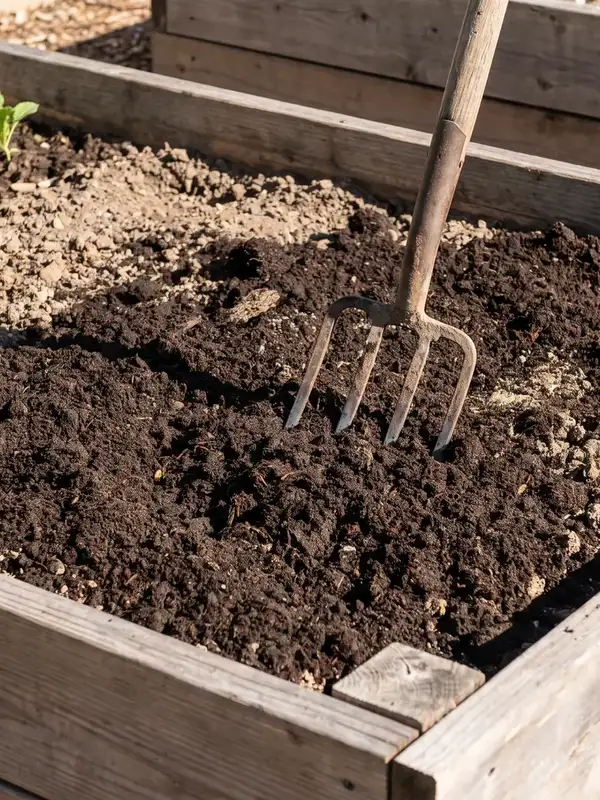
Bulk compost delivered in Lakewood, CO. Dark brown color.
Starting from $522.45 delivered to Lakewood for 2 yards, our minimum order
Lakewood lots tend to be mature and tree-lined, and the soil in them has often been worked for decades. This page covers compost delivery Lakewood, CO yards need for beds, lawns and plantings. It explains what compost does, how to size an order and how the delivered price works. Expect to order it by the cubic yard.
What compost does for older Lakewood yards
With about 157,000 residents and a lot of housing built well before the current landscaping trends, Lakewood has plenty of beds that have given up their organic matter over the years. Compost brings that back. It darkens tired soil, helps it hold water between irrigation cycles and gives roots a looser place to spread.
The city is part of the Denver metro, with Denver and Arvada both about 6 miles away, Westminster about 9, Thornton about 12 and Aurora about 14.
Where compost fits in a project
- Dig or till the existing bed so the compost has somewhere to go.
- Spread a layer and mix it into the top of the soil.
- Plant, then water in and add a coarse mulch if you like.
Remodels and retaining wall projects often pair compost with other materials. Premium Screened Topsoil fills low spots and builds grade, and compost goes in on top as the planting layer. For walkways or a dry-laid patio next to the bed, Pea Gravel is a common choice.
A typical Lakewood project is a backyard redo where the owner removes a worn-out lawn, builds a few new beds and plants trees along the property line.
Around a new retaining wall, the backfill and drainage stone go in first, and compost belongs only in the planting layer on top. Keep it out of the drainage zone directly behind the wall, where fine organic material can clog the gaps the water is meant to pass through. The same order of operations applies to a patio edge: hard materials first, soil and compost last.
Sizing your compost order
Measure the bed in feet, decide on a depth in inches, and divide the product of length, width and depth by 324. The result is cubic yards. If you would rather let a tool do it, use the calculator and treat the result as a starting point for compost.
Several small beds across a Lakewood property can be added together into a single order, which helps with the 2 cubic yard minimum. A front yard, a back garden and a side strip often add up to more than you expect.
Older lots around Lakewood often have mature trees with shallow roots near the surface. When you spread compost near them, keep it thin and do not bury the root flare, since piling soil against a trunk invites rot. Wide, shallow layers around the drip line help more than deep ones close in.
When the pile arrives, a quick look tells you a lot. Good compost is dark brown, crumbly and damp to the touch, with a few small woody bits still visible. Shade under the big trees found on many Lakewood lots can leave a bed slow to dry, so be sure to look at the pile again after rain before you move all of it.
Getting it delivered
On the product page, a Lakewood ZIP brings up the price delivered to you. For general background, see delivery in Lakewood. Plan the drop spot near the bed, on a firm surface, and clear the driveway of parked cars beforehand so the truck has room to work.
Price and quantity
This page prints no dollar amount, because the number depends on where you are. In Lakewood, the rate per cubic yard falls on bigger orders.
Next steps
If you are not sure about depth, start a little lighter than you think you need. Adding more is easy, and removing a layer that turned out too thick is not.
Once your measurements are in hand and your sketch is done, choose a quantity and check the price for your ZIP. To compare other cities, browse Compost in Colorado.
About Compost
Compost is organic material that has broken down into a dark, crumbly, soil-like product. It is used to feed and condition soil rather than to fill or support it. In sandy ground it helps hold water, and in heavy ground it loosens the texture and improves drainage.
It is light for a landscape material. A cubic yard weighs about 1,000 lb, so it moves easily with a wheelbarrow and spreads quickly. Good uses are vegetable gardens, perennial beds, new sod preparation, lawn topdressing and tree rings. It is not a base layer and should not be used under hardscape.
Lakewood customers buy it by the cubic yard, see the delivered price for their ZIP live, and pay less per cubic yard on bigger orders.
What Compost costs in Lakewood
In the Lakewood market, compost is sold by the ton and priced at the gate before delivery is added on. Send your ZIP and load size and we will send back a same-hour quote with the truck rate and the per-ton figure spelled out. One ton covers about 216 sq ft at a 3 inch finished depth, so a 400 sq ft driveway pad runs roughly 2 tons.
How crews use Compost in Lakewood
Crews working out of Lakewood tend to call for compost on a few repeat jobs each week. The first is planting bed gravel, typically laid in tight urban lots and infill builds with a base lift compacted before the finish course goes on. With a population around 156,798, Lakewood pulls a mix of single-truck homeowner orders and contractor full-loads through the season.
Delivery day in Lakewood
On the day of the drop, the dispatcher pulls the closest yard, batches your ticket with other Lakewood stops, and sends a window the night before. Tandem-axle dumps need at least 12 ft of clear width and 14 ft overhead to set the bed; tri-axles need 14 ft of clearance on both counts and a level pad to tip safely. Standard lead time on this lane is Mon-Sat, with same-day windows held open for orders that hit the desk before 11 AM and clear payment.
Related materials we deliver in Lakewood



Estimate how much you need
Work out your material
A planning figure, not a guarantee. Order roughly a tenth extra to cover settling and uneven ground.
Browse more
Available in nearby cities
Plan your project
Related guides
 GUIDEWhat Is Crushed Stone? Sizes, Uses and Buying BasicsCrushed stone is quarried rock crushed and screened into angular pieces sold by the ton. Here is what it is, how it is graded, and where to use it.Read guide →
 GUIDEHow Much Does Gravel Cost? A Practical Pricing GuideHow much does gravel cost and why does it vary? See the real factors behind ton pricing, delivery, and order size before you buy.Read guide →GUIDEGravel Size Chart: Pea Gravel to Crushed StoneA gravel size chart showing pea gravel, crushed stone and river rock diameters side by side, so you can match the right size to your project.Read guide →
 GUIDEThe Different Types of Gravel and How to ChooseA plain-language guide to the main types of gravel, covering pea gravel, crushed stone, river rock and decomposed granite.Read guide →
Frequently Asked Questions
How deep should I spread compost in a new planting bed?
For a new bed, two to three inches mixed into the existing soil is a common target. Going much thicker without blending can create a layer that holds water differently from the ground beneath it, which makes roots stay shallow. Work it in with a fork or tiller so the two soils merge gradually.
Can I use compost for a vegetable garden next to a fence?
Yes, and raised beds along a fence are a good fit. Fill the bed with a blend of compost and screened soil rather than compost alone. Leave a few inches of space at the top so water stays in the bed. Check how much sun the spot gets, since compost helps soil but cannot replace light.
What is the best way to keep compost from washing away?
Spread it on level or gently sloped ground and mix it into the surface instead of leaving it loose on top. On a slope, a border, edging or a layer of coarse mulch holds it in place. Avoid piling it where a downspout or hose empties, because running water carries fine material quickly.
Will compost help a brown, compacted lawn?
It can help, mostly over time. Aerate first so the compost can reach the root zone, then rake a thin layer across the lawn and overseed. One treatment will not fix every problem, since poor irrigation or shade often cause the browning. Compost addresses the soil side, which is only part of lawn health.
Can I mix compost with sand?
You can mix it with sand or with topsoil gives a richer, firmer mix. The right choice depends on your plants and the soil you start with. Test a small area before blending a large volume.
How often should I add compost to a bed?
Many gardeners add a fresh layer once a year, either in spring before planting or in fall after cleanup. Established perennials and shrubs usually need less. Watch the soil: if it is still dark, loose and holds water well, you can skip a season.
Is compost heavy to move by hand?
Dry compost is lighter than stone or soil, but a wet pile gets heavy fast. A cubic yard fills many wheelbarrow loads, so plan the work in stages and set the pile close to the bed. A tarp over the pile keeps rain from adding weight and keeps the material workable.
Should I water compost after spreading it?
Yes, water it in lightly after spreading or mixing so it settles against the soil beneath. A gentle soak is better than a hard spray, which can pit the surface. Check a few inches down after a day or two. The mix should feel damp, not soggy, and a bed that dries out quickly may need another pass.