
Fill Dirt Delivery in Lakewood, CO, Sold by the Ton
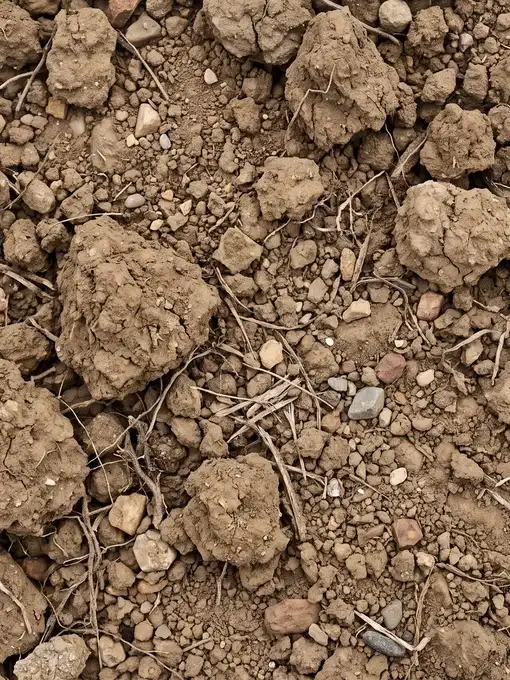
Bulk fill dirt delivered in Lakewood, CO. Brown color.
Starting from $491.08 delivered to Lakewood for 2 tons, our minimum order
Lakewood sits in the middle of the Denver metro, and regrading a yard is a common reason to bring in soil. Fill dirt delivery in Lakewood, CO brings brown, compactable subsoil to your driveway by the ton, with the delivered price for your ZIP shown before you pay. Denver and Arvada are both about 6 miles away, so a contractor with several sites can order the same way.
How much fill dirt a Lakewood project needs
Start with the footprint. Measure the length and width of the area in feet, decide how deep the fill must be in inches, and divide the product of the three by 324 to get cubic yards. Fill dirt here weighs about 2,200 lb per cubic yard, so tons run roughly 10 percent higher than yards. A 30 by 10 foot side yard raised 4 inches comes to about 3.7 cubic yards, close to 4 tons.
The calculator handles irregular shapes if you split the lot into rectangles. Because loose soil compacts as it is rolled, order a little over your total, about one extra ton for every ten, so the last pass does not leave you short.
Fill dirt delivery in Lakewood for grading and drainage
Fill dirt is unscreened subsoil that holds its shape once compacted, which makes it the right base layer for ground that has to carry weight or shed water. Typical uses on Lakewood lots:
- Regrading a sloped back yard so rain moves toward a drain instead of the foundation
- Backfilling a drainage trench, window well or utility cut
- Bringing a low area up to match a neighboring grade
- Leveling a base for a garden shed or backyard slab
A slope that ends in a lawn needs a finishing layer of Premium Screened Topsoil, and a path or border that wants a clean stone surface can use Pea Gravel. Both are sold by the ton as well. For other cities across the state, see Fill Dirt in Colorado.
Where the truck drops it
The city's delivery in Lakewood page shows what ships to your address. A truck needs a wide, straight approach, so look at the street in front of your house: parked cars, tight alleys and low tree limbs can limit where the bed can tip. Mark the spot with stakes or spray paint, and keep it clear of mailboxes, fences and anything buried, such as a sprinkler line. A smooth driveway apron is ideal, because the pile is easier to shovel and the ground underneath is protected.
Thornton, Westminster and Aurora, 9 to 14 miles out, are handled through their own delivery pages.
Reading the soil before you spread it
When the load lands, take a handful and squeeze it. Fill dirt that holds a loose shape and then crumbles is in good working condition. If it stays in a slick ball, it is too wet to roll, and if it blows away as dust, it needs a light watering. Pull out any oversized stones or clods that would leave voids once the soil is packed.
Crawl spaces, basements and window wells make fill placement near a house more delicate. Work in thin layers beside the foundation, and keep heavy machines a few feet back so they do not push against the wall. Use hand tampers in the tight spots.
Nothing says the whole job has to be one day. Because fill keeps well as a pile, you can place it as time allows and finish the surface when the weather is right.
Pricing notes and placing the order
Pricing is per ton, with 2 tons as the smallest order. The delivered figure is calculated live from your ZIP and appears on the page, so you see the full price for your address up front. Ordering more tons lowers the rate per ton, which helps on bigger regrades.
Put your ZIP in the price box, pick the tons from your estimate and complete checkout.
About Fill Dirt
Fill dirt is subsoil: the brown, mineral-heavy layer that sits under the dark topsoil most plants grow in. It is sold for building and leveling work rather than for planting, and it has the low organic content that lets it compact into a stable, load-bearing base.
Expect a natural blend of clay, silt, sand and small stones. Color and texture shift a little from one load to the next, which is normal for dug soil. It is not screened for fine appearance. Where a finished surface will be visible or planted, add topsoil, sod, mulch or stone on top of the compacted fill.
The product is sold by the ton, and a cubic yard weighs about 2,200 lb. The delivered price for your ZIP is calculated live and shown on the page, with a lower rate per ton on larger orders. The smallest order is 2 tons, which suits a small grading repair as well as a full backyard regrade.
What Fill Dirt costs in Lakewood
In the Lakewood market, fill dirt is sold by the ton and priced at the gate before delivery is added on. Send your ZIP and load size and we will send back a same-hour quote with the truck rate and the per-ton figure spelled out. One ton covers about 98 sq ft at a 3 inch finished depth, so a 400 sq ft driveway pad runs roughly 5 tons.
How crews use Fill Dirt in Lakewood
Crews working out of Lakewood tend to call for fill dirt on a few repeat jobs each week. The first is erosion control, typically laid in tight urban lots and infill builds with a base lift compacted before the finish course goes on. The second is driveway gravel, which lands here in dense neighborhoods where curb access is short and usually ships as a 4 to 8 ton order. With a population around 156,798, Lakewood pulls a mix of single-truck homeowner orders and contractor full-loads through the season.
Delivery day in Lakewood
On the day of the drop, the dispatcher pulls the closest yard, batches your ticket with other Lakewood stops, and sends a window the night before. Tandem-axle dumps need at least 12 ft of clear width and 14 ft overhead to set the bed; tri-axles need 14 ft of clearance on both counts and a level pad to tip safely. Standard lead time on this lane is Mon-Sat, with same-day windows held open for orders that hit the desk before 11 AM and clear payment.
Related materials we deliver in Lakewood
 Price by ZIP
- SizeScreened, no size grade
- Density2200 lb/yd³
- ColorDark brown
 Price by ZIP
- Density2000 lb/yd³
- ColorDark brown
 Price by ZIP
- Density1000 lb/yd³
- ColorDark brown
Estimate how much you need
Work out your material
A planning figure, not a guarantee. Order roughly a tenth extra to cover settling and uneven ground.
Browse more
Common uses for Fill Dirt in Lakewood
Available in nearby cities
Plan your project
Related guides
 GUIDEWhat to Put Under River Rock for Landscaping BedsHere is what to put under river rock landscaping: a compacted base where needed, then landscape fabric, then rock, to stop weeds and settling.Read guide →GUIDEHow to Clean River Rock and Restore Its ColorLearn how to clean river rock landscaping with rinsing, soap and vinegar methods, plus common mistakes to avoid for a brighter, longer lasting rock bed.Read guide →
 GUIDEHow to Lay a Gravel Driveway: Step-by-Step GuidePractical, field-tested guide: how to lay gravel driveway. Pulled from real US installer notes and 2026 supplier price data.Read guide →
 GUIDEDoes Gravel Stop Weeds? Honest Answer + What WorksPractical, field-tested guide: does gravel stop weeds. Pulled from real US installer notes and 2026 supplier price data.Read guide →
Frequently Asked Questions
What tools do I need to spread and compact fill dirt?
A flat shovel, a landscape rake and a wheelbarrow cover most small jobs. A hand tamper works in tight spots, and a rented plate compactor suits larger areas. A long straight board helps you see high and low spots as you go, so you can correct them before the last pass.
Can fill dirt be used behind a retaining wall?
Many builders backfill with a free-draining stone right behind the wall and use compacted fill further back. Wall height and design decide what is required, so follow the plan or an engineer's advice. Never pack wet clay tightly against a wall, because trapped water pushes on it.
How deep can I place fill in one layer?
Keep each layer to around 6 inches before compacting. Thicker lifts leave loose soil at the bottom that settles months later and can crack paving or open gaps along a foundation. Work in passes: spread, compact, then add the next layer until you reach the finished height.
Is the dirt brown and consistent from load to load?
Fill dirt is listed as a brown material, though the exact shade and the mix of clay, silt and small stones can vary between loads. It is sold for grading and backfill, not for appearance, so plan to finish any surface that will be seen.
What if I order the wrong amount?
If you come up short, a second order works the same way, though the smallest order is still 2 tons. If you have leftover dirt, use it to build up a low spot, fill planter boxes or fix ruts. Measuring twice before checkout is the easier route.
Can I have fill dirt delivered to a job site instead of my home?
Yes, the delivery address can be a job site, a vacant lot or a home. Enter that address's ZIP so the live price matches the drop location, and make sure someone can direct the driver to the pile spot because the truck dumps in one place.
Should I remove grass before placing fill?
Yes, strip sod and loose debris first. Thick grass rots under the fill and leaves a soft layer that settles. Rough up the bare ground so the first lift bonds to it, then spread and compact in layers. Fill placed over firm, cleared ground stays put far better than fill laid over a mat of turf.
How can I check that the finished grade drains properly?
Lay a long straight board on the surface with a level on top. Along the first 10 feet from a foundation, the ground should fall away by roughly 6 inches. Test after the first real rain, and add fill to any spot where water pools rather than moving off.