
Compost Delivery in Macon, GA by the Yard
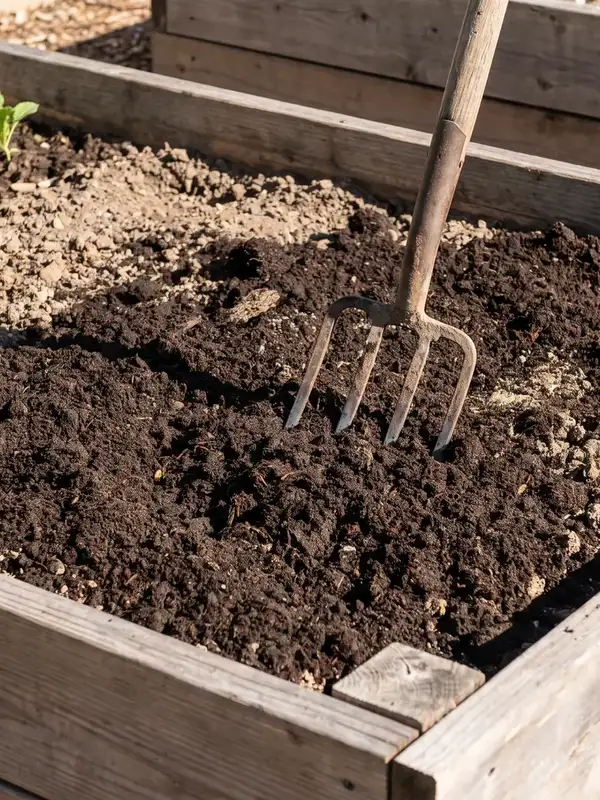
Bulk compost delivered in Macon, GA. Dark brown color.
Starting from $535.65 delivered to Macon for 2 yards, our minimum order
Macon homeowners who want to fix tired soil usually start with compost, and compost delivery in Macon, GA saves the trouble of loading bags into a truck. The material is sold by the cubic yard, the order starts at 2 cubic yards, and the price you see is delivered to your ZIP.
This is a dark, crumbly, finished compost that blends easily into garden soil. Statewide availability and other Georgia cities are collected under Compost in Georgia.
Where compost earns its place in Macon yards
Macon sits where the Piedmont clay meets sandier ground, so one neighborhood may have soil that stays soggy while the next dries out fast. Compost helps both. In clay it creates air pockets and better drainage. In sand it acts like a sponge and holds water and nutrients near the roots.
- Garden beds: mix a generous layer into the top several inches before planting.
- Tree and shrub holes: blend it with the soil you dug out, so roots do not circle in a pocket of rich material.
- Lawns: a light dressing over bare or worn areas gives seed a better start.
- Raised beds: mix it with soil at a ratio you choose rather than filling with compost alone.
Getting a load delivered
Bulk compost arrives as one heap on the ground, so decide where it goes before the truck arrives. A driveway apron or a tarp-covered patch of grass near the garden works well. Allow clear space overhead and a firm surface under the wheels. Our page on delivery in Macon covers the local details.
Enter your ZIP on the product page and the delivered price is calculated live. Because the rate per cubic yard falls as the order grows, a neighbor split or a bigger project can make sense. Warner Robins is about 15 miles away.
Compost alongside other materials
Many planting jobs involve more than soil. Premium Screened Topsoil is the better choice for filling low spots, and it is sold by the ton. Compost then goes in on top or blended through to improve it. For a decorative path or a dry creek bed beside the garden, Pea Gravel gives a smooth, rounded surface, also sold by the ton.
Sizing your order
Start with the length and width of your Macon bed in feet and the depth in inches. Multiplying the three and dividing by 324 gives cubic yards, and the calculator lets you check the result by typing in your dimensions.
For amending soil, a 2 to 3 inch layer worked in is a common starting point. Orders begin at 2 cubic yards, which already covers a fair amount of garden. Smaller needs are best met with bagged compost.
Planning around the seasons
Central Georgia gardeners get two good windows for soil work. Early spring suits vegetable beds ahead of planting, and early fall suits lawns and perennials, when mild days and cooler nights let new roots settle. Midsummer is possible, but plan to water more often.
Avoid spreading when the ground is saturated. Heavy boots on wet clay squeeze out the air that compost is meant to add, and a soaked pile is harder to shovel. A day or two of dry weather makes the job faster.
Working it into the soil
For a new bed, spread the compost across the surface and turn it in with a fork or tiller so it mixes with the native soil and does not sit as a separate layer. Established beds need less effort: pull it around plants as a surface dressing and let rain and worms carry it down.
Expect the bed to sink a little after the first few weeks as the material compacts and continues to break down. Add a thin top-up later in the season if it matters to the look of the bed.
Ordering
Choose compost on the product page, set the number of cubic yards, and adjust the quantity until it suits the project. Then check out and your delivery is arranged.
About Compost
Compost is a finished organic soil amendment, dark brown and crumbly, produced when plant material breaks down fully. It is a growing material, not a decorative cover, and its job is to improve the soil beneath plants.
It adds organic content that feeds soil life, helps sandy ground hold water, and opens up tight clay so roots and moisture can move through. People spread it across garden beds, mix it into planting holes, fold it into raised bed fill, and dress thin lawns with a light layer.
We sell compost by the cubic yard, so you plan the order by area and depth and not by weight. Because it is an amendment, it does best when it is blended with the existing soil. Using it neat in a deep layer can leave it too rich and prone to settling.
Finish a planted bed with a layer of mulch to protect it, and keep leftover compost covered until you are ready to spread it. If you are starting a new garden, an early-season application gives plants the most benefit.
What Compost costs in Macon
In the Macon market, compost is sold by the ton and priced at the gate before delivery is added on. Send your ZIP and load size and we will send back a same-hour quote with the truck rate and the per-ton figure spelled out. One ton covers about 216 sq ft at a 3 inch finished depth, so a 400 sq ft driveway pad runs roughly 2 tons.
How crews use Compost in Macon
Crews working out of Macon tend to call for compost on a few repeat jobs each week. The first is planting bed gravel, typically laid in tight urban lots and infill builds with a base lift compacted before the finish course goes on. With a population around 156,512, Macon pulls a mix of single-truck homeowner orders and contractor full-loads through the season.
Delivery day in Macon
On the day of the drop, the dispatcher pulls the closest yard, batches your ticket with other Macon stops, and sends a window the night before. Tandem-axle dumps need at least 12 ft of clear width and 14 ft overhead to set the bed; tri-axles need 14 ft of clearance on both counts and a level pad to tip safely. Standard lead time on this lane is Mon-Sat, with same-day windows held open for orders that hit the desk before 11 AM and clear payment.
Related materials we deliver in Macon


Estimate how much you need
Work out your material
A planning figure, not a guarantee. Order roughly a tenth extra to cover settling and uneven ground.
Browse more
Available in nearby cities
Plan your project
Related guides
 GUIDEWhat Is #57 Stone? Uses, Size, and Cost ExplainedPractical, field-tested guide: what is 57 stone. Pulled from real US installer notes and 2026 supplier price data.Read guide →
 GUIDEHow Deep Should a Gravel Driveway Be? Layer GuidePractical, field-tested guide: how deep should gravel driveway be. Pulled from real US installer notes and 2026 supplier price data.Read guide →
 GUIDEHow Much Does River Rock Cost? By Ton or YardRiver rock cost depends on your ZIP code, order size, and whether you buy by the ton or the cubic yard. Here is how pricing works.Read guide →
 GUIDEWhat Size Crushed Stone Goes Under a Concrete SlabMost slabs need 4 to 6 inches of compacted crushed stone underneath. What size crushed stone under a concrete slab needs, and why it matters.Read guide →
Frequently Asked Questions
How often should I add compost to a garden?
Once a year is typical. Add a couple of inches in early spring or after the main harvest, and work it into the top layer. Beds with demanding crops such as tomatoes and squash tend to benefit from a fresh application every season.
Is it safe to use around vegetables?
In Macon, finished compost is widely used in vegetable gardens. Keep it away from the stems of young seedlings at first, then mix it into the bed or spread it between rows. Wash produce as you normally would before eating it.
Does compost help with Georgia summer heat?
It does. Soil rich in organic matter holds moisture longer, so plants face less stress between waterings. A layer of mulch on top slows evaporation further. Together they let you water less often during long dry stretches.
What does the pile look like when it arrives?
Expect a dark brown, loose, slightly damp heap with an earthy smell. You may see small bits of wood or plant fiber, which is normal. It should crumble in your hand and not feel slimy or give off a sour odor.
Can I spread it myself without special tools?
Yes. A wheelbarrow, a flat shovel and a rake are enough for most home beds. Work in sections, dumping barrow loads in rows and raking them level. Wear gloves and a dust mask on dry, windy days, since fine particles can rise.
Can I use compost on a shady bed under trees?
Yes. Spread a thin layer, an inch or so, over the root zone and keep it clear of trunks. Do not pile it deep or dig it in near surface roots, which can be damaged. Shady beds dry out slowly, so water lightly until you see how fast the soil drains.
Will weeds grow in compost?
Some may. Finished compost can carry a few seeds that sprout once it is spread and watered. Pull them when they are small, and a covering of mulch over the planted area will suppress most of what is left. A bed that is planted densely also leaves weeds less light.
How long before I see results in my plants?
Leafy growth often looks better within a few weeks, but the deeper change in soil structure builds over a full season or two. Beds that start with poor soil usually show the biggest improvement, so be patient and keep adding a thin layer each year.