
Compost Delivery in Longmont, CO by the Cubic Yard
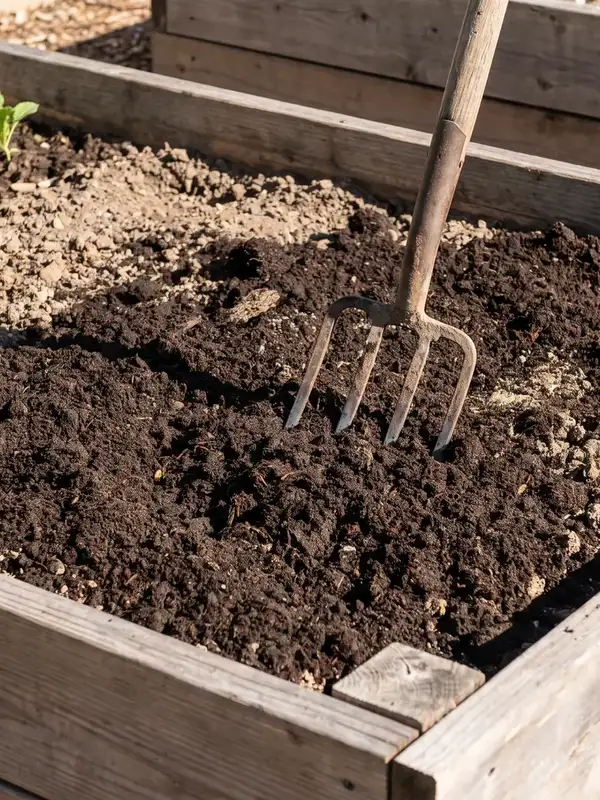
Bulk compost delivered in Longmont, CO. Dark brown color.
Starting from $522.45 delivered to Longmont for 2 yards, our minimum order
Compost delivery in Longmont, CO lets you build soil for a whole season instead of hauling bags home from a garden center one at a time. Longmont sits in Boulder County at the foot of the Front Range, and plenty of yards there have heavy clay that packs down and sheds water after a storm. Compost is the most practical fix for that kind of ground, because each layer you work in loosens the soil a little more than the last.
Where compost makes the biggest difference in Longmont
Most Longmont orders go to one of three places: planting beds that were dug years ago and have thinned out, lawns that need a top dressing in spring or fall, and planting areas along a fence or slope where water runs off too quickly. Compost can be dug into the top several inches of existing soil, or spread as a thin layer over the surface and left for worms and rain to pull it down.
Slopes along a fence line deserve a little extra thought. Work the compost in rather than leaving it loose on top, so a hard rain does not carry it downhill before it has settled into the soil. Beds against a sunny wall dry out fastest, so they tend to gain the most from added organic matter.
Compost is not a surface cover, though. If you want a layer that holds moisture and keeps weeds down around shrubs and trees, Mulch does that job better. Many yards use both, with compost worked into the soil underneath and mulch on top.
Compost delivery in Longmont, CO for beds, lawns and slopes
Compost is sold by the cubic yard, and the smallest order is 2 cubic yards. Enter the ZIP code where the load will be dropped, and the page calculates the delivered price for that location before you check out.
Longmont is close to several other towns that many buyers compare. Boulder is about 14 miles away, Broomfield about 15, and Loveland about 17.
How much compost a Longmont project needs
To estimate a bed, multiply the length by the width in feet, multiply that by the depth in inches, then divide by 324. A 12 by 8 foot bed topped with 3 inches of compost works out to about 0.9 cubic yards, which means you would still take the 2 cubic yard minimum. For a fuller estimate covering lawns, slopes or several beds at once, the calculator runs the same math for you.
Lawns and beds call for different amounts. A thin top dressing is enough for most turf, and it should be raked or brushed into the grass so it reaches the soil surface. Take care with the depth: a quarter inch to half an inch is the usual range. Planting beds take a deeper layer because the goal is to mix the compost into the root zone, so a bed needs more volume per square foot than the lawn beside it.
Pricing notes for Longmont compost orders
Larger orders get a lower rate per cubic yard. A project that needs five or six yards will usually come out cheaper per yard than a two yard order, so it pays to add up the total volume for every bed before you place the order.
Placing a compost order in Longmont
Start by estimating the cubic yards for each bed and lawn area, then add them up before you open the product page.
For more on delivery in Longmont, read the city page before you order. If you also need material for a finished lawn or a level area, the Premium Screened Topsoil page for Longmont covers that option. Browse Compost in Colorado to see how the material is ordered across the rest of the state.
About Compost
About this material
Compost is organic matter that has broken down over several months until it turns dark and crumbly and smells like forest floor. It is made from yard trimmings, leaves and kitchen scraps, and it is the material to reach for when the goal is to add life and structure to soil, not to fill a low spot or raise a grade.
In Longmont, compost mostly goes into garden beds, onto thin lawns in spring or fall, or into the planting holes for new shrubs. It opens up clay soil so water and roots can move through it, helps sandy ground hold moisture, and feeds the organisms that keep the root zone working.
In Longmont, compost is priced by the cubic yard, and every order begins at 2 cubic yards. The delivered price is calculated live for your ZIP code and appears on the page before checkout. Larger orders bring the rate per cubic yard down, so a project that needs several yards is the one where a single delivery saves the most.
What Compost costs in Longmont
Around Longmont, compost is quoted by the ton with delivery layered in based on distance from the closest yard. Send your ZIP and load size and we will send back a same-hour quote with the truck rate and the per-ton figure spelled out. Plan on roughly 216 sq ft of coverage per ton at 3 inches deep, which puts a single-car driveway in the 3 to 5 ton bracket.
How crews use Compost in Longmont
Longmont contractors keep compost on the order sheet for a short list of standard installs. Top of the list is planting bed gravel, where the material is rolled out in tight urban lots and infill builds and screeded to grade. Longmont sits at about 99,818 residents, which means we see steady weekday traffic from landscape crews and weekend pickups from owner-builders.
Delivery day in Longmont
Delivery in Longmont runs out of the nearest pit; you get a two hour arrival window the evening prior and a call when the driver leaves the scale. Plan for 12 ft of clear path for a tandem and 14 ft for a tri-axle, plus a level area at the dump point so the bed lifts straight. Standard lead time on this lane is Mon-Sat, with same-day windows held open for orders that hit the desk before 11 AM and clear payment.
Related materials we deliver in Longmont



Estimate how much you need
Work out your material
A planning figure, not a guarantee. Order roughly a tenth extra to cover settling and uneven ground.
Browse more
Available in nearby cities
Plan your project
Related guides
 GUIDEHow Much Does River Rock Cost? By Ton or YardRiver rock cost depends on your ZIP code, order size, and whether you buy by the ton or the cubic yard. Here is how pricing works.Read guide →
 GUIDEWhat Size Crushed Stone Goes Under a Concrete SlabMost slabs need 4 to 6 inches of compacted crushed stone underneath. What size crushed stone under a concrete slab needs, and why it matters.Read guide →
 GUIDEWhat Is Crushed Stone? Sizes, Uses and Buying BasicsCrushed stone is quarried rock crushed and screened into angular pieces sold by the ton. Here is what it is, how it is graded, and where to use it.Read guide →
 GUIDEHow Much Does Gravel Cost? A Practical Pricing GuideHow much does gravel cost and why does it vary? See the real factors behind ton pricing, delivery, and order size before you buy.Read guide →
Frequently Asked Questions
How many cubic yards of compost does a Longmont vegetable bed need?
Multiply the bed length and width in feet, multiply by the depth in inches, and divide by 324. A 10 by 20 foot bed with 2 inches of compost comes to about 1.2 cubic yards. Because the minimum order is 2 cubic yards, most single-bed jobs round up to that minimum, and the leftover can go onto a second bed.
Can I order less than 2 cubic yards of compost in Longmont?
No. The smallest order is 2 cubic yards, so the page will not accept a smaller quantity. If your project only needs a few buckets, bagged compost from a garden center is the better fit. A single large bed or a lawn top dressing is where a 2 cubic yard load starts to make sense.
Does compost help heavy clay soil in Longmont?
Yes, and it pays off over several seasons rather than in one. Plan on working a couple of inches into the top several inches each spring or fall for a few years, because organic matter breaks down and the clay opens up slowly. A single thick layer left on the surface does little, and a bed amended for years needs less each time.
How often should I add compost to the same Longmont bed?
Once a year is plenty for most vegetable and flower beds, usually in spring before planting. Perennial borders and shrub beds can go two or three years between top-ups, since the plants are established and their roots sit in soil you built earlier. Watch how fast the soil sinks or thins out to judge when a bed is due.
What is the best season to spread compost on a Longmont lawn?
Spring and early fall are the usual windows, when the grass is growing and the soil stays damp. Skip the heat of midsummer and any stretch when the ground is frozen. Avoid smothering the turf with a thick mound, because grass under a deep layer can thin out before the soil underneath has a chance to benefit.
How do I tell finished compost from raw material?
Finished compost in Longmont looks dark and crumbly, with an earthy smell. You should not see recognizable food scraps, whole leaves or stems. If the pile is warm to the touch, hot, or sour-smelling, it is still breaking down and is better kept away from young plantings until it cools and darkens.
What tools make spreading compost easier on a Longmont lot?
A wheelbarrow, a square shovel and a wide landscape rake handle most jobs. Dump the load in several small piles across the bed rather than one tall heap, then rake each pile out to an even depth. Lay a tarp or plywood along the wheelbarrow route so the lawn is not torn up between trips.
Can I use compost to start a new lawn in Longmont?
Compost helps most when it is worked into the soil before seeding or sod, not as the surface the seed sits on. Rake it into the top few inches of loosened ground, level the area, then seed and water. Spreading it over compacted, unprepared soil gives new roots very little to grip.