
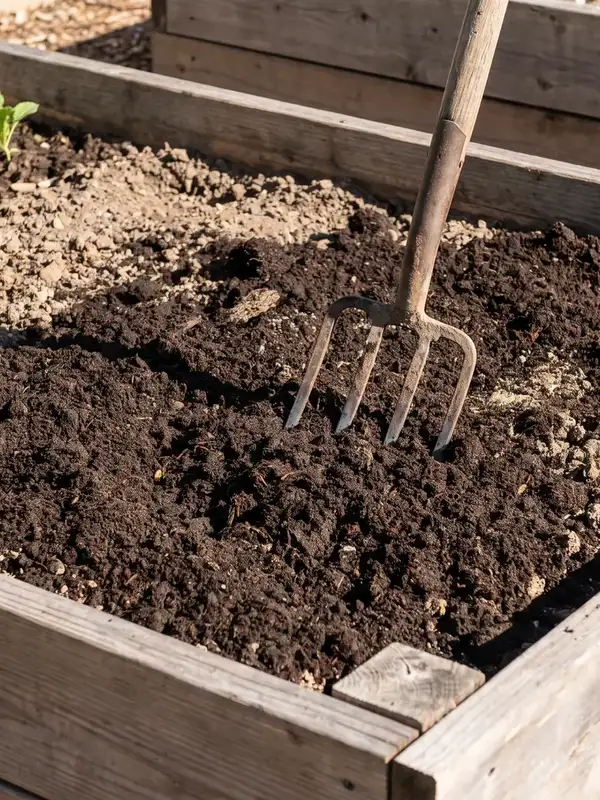
Compost Delivery in Surprise, AZ
Bulk compost delivered in Surprise, AZ. Dark brown color.
Starting from $532.35 delivered to Surprise for 2 yards, our minimum order
New yards in Surprise start with better soil
Surprise is one of the newer parts of the valley, and many lots here were graded flat and left with compacted, sun-baked fill. Planting into that without help rarely works. Compost delivery in Surprise, AZ gives you a way to build a real growing layer without hauling bags from a store. It is sold by the cubic yard and delivered as a pile, and it can be used the day it arrives. Our delivery in Surprise page covers the city side of things.
Jobs that suit compost
Turning builder-grade dirt into a garden
New-build backyards often have hard clay-like fill under a thin skin of topsoil. Spread two to three inches of compost and till it in as deep as you can. It gives roots room and lets water soak in instead of running off.
HOA front yards
Front landscapes with a few trees and shrubs need a healthy root zone. Mix compost into backfill, then mulch over the top. It makes establishment easier through the first summer.
Vegetable plots and fruit trees
Prepare beds a few weeks before planting so the compost has time to blend with the soil and settle.
Patching lawn
Fill low spots and bare patches with a mix of compost and sand, then reseed. It levels the surface without smothering the turf around it.
Calculating compost volume for a Surprise lot
Multiply length by width in feet, then by depth in inches, and divide by 324. A backyard strip 40 feet long and 6 feet wide covered 3 inches deep needs about 2.2 cubic yards. The calculator does the same math if you prefer typing to dividing. If you intend to till it in, plan for the compost to sink into the soil, and expect the surface to sit lower than the volume suggests.
What the price looks like
There is no price sheet to decode. Your ZIP goes in, and the delivered amount for your address shows on the page, calculated live. Order more and the rate per cubic yard drops. The minimum is 2 cubic yards, which suits a single raised bed or one tree-and-shrub planting.
Surprise and the northwest valley
Surprise is at the far northwest edge of the metro area. Peoria is 10 miles away, Glendale 15, Avondale 16, Phoenix 20 and Scottsdale 29. Orders to any of those are priced for the destination ZIP, so a neighbor in a different city will see a different number from yours.
New subdivisions can be tricky for navigation, since some streets are not yet in every map. In your order notes, add a cross street or a lot number so the driver finds the right curb. A construction-phase neighborhood may also have temporary barriers, so say so if the street is partly blocked.
Timing a project around the heat
Surprise gets long stretches of triple-digit weather, and that shapes when compost work makes sense. Early fall is the strongest window: soil is still warm, so roots grow, but the worst heat has passed. Spreading compost in July is possible if you water right after, though the pile itself dries out fast and the surface goes hard. Plan to spread it soon after it arrives, not a week later, and do it in the morning before the sun climbs.
Starting small and building up
Plenty of new homeowners here do the yard in stages as money allows. Compost suits that approach. Do one bed this season, plant it, and watch how it performs. Next season, add another. A bed that was enriched properly improves a little every year as roots and soil life keep working the material in, so early effort pays back for a long time.
Keep a note of what each bed received and how plants responded. A few lines on dates, depth and results are enough, and they help you decide where the next cubic yards should go.
Materials that go with compost
Raised beds usually start with Premium Screened Topsoil and finish with compost worked in. When you want a clean walkway or drainage layer beside the beds, Pea Gravel is a comfortable choice, and it is priced by the ton rather than the yard. To read more about the material across the state, visit Compost in Arizona.
About Compost
Compost is a dark, crumbly soil builder made from decomposed plant material. It is sold by the cubic yard and delivered as a loose pile that you can spread by hand or barrow. Work it into hard builder-grade ground, raised beds and tree backfill to add organic matter, open the structure and hold moisture where roots can use it.
It suits vegetable gardens, new landscapes, fruit trees and lawn repair. Mix it in rather than laying it on top of packed soil, and cover any leftover pile with a tarp. The price shown on the page is delivered to your ZIP and calculated live, larger orders get a lower rate per cubic yard, and the smallest order is 2 cubic yards. Compost compacts as it is watered, so allow a little extra for settling.
What Compost costs in Surprise
Local Surprise yards quote compost by the ton; the delivered number includes fuel, the truck, and the haul. Send your ZIP and load size and we will send back a same-hour quote with the truck rate and the per-ton figure spelled out. A ton of this material spreads across about 216 sq ft when laid 3 inches deep, useful when you are sizing a patio base or a walkway run.
How crews use Compost in Surprise
In and around Surprise, compost shows up most often on two project types. The most common deployment is planting bed gravel, often in tight urban lots and infill builds in two to three inch lifts. At roughly 143,148 people, the Surprise order mix leans toward 3 to 8 ton residential drops with the occasional 16 ton job for a contractor.
Delivery day in Surprise
A typical Surprise drop is dispatched from the closest yard with a two hour window and a heads-up call once the truck is loaded. Tandem trucks want a 12 ft lane in and out; tri-axles need 14 ft, and both want firm ground at the tipping spot so the load releases cleanly. Standard lead time on this lane is Mon-Sat, with same-day windows held open for orders that hit the desk before 11 AM and clear payment.
Related materials we deliver in Surprise



Estimate how much you need
Work out your material
A planning figure, not a guarantee. Order roughly a tenth extra to cover settling and uneven ground.
Browse more
Available in nearby cities
Plan your project
Related guides
 GUIDEWhat to Put Under River Rock for Landscaping BedsHere is what to put under river rock landscaping: a compacted base where needed, then landscape fabric, then rock, to stop weeds and settling.Read guide →GUIDEHow to Clean River Rock and Restore Its ColorLearn how to clean river rock landscaping with rinsing, soap and vinegar methods, plus common mistakes to avoid for a brighter, longer lasting rock bed.Read guide →
 GUIDEHow to Lay a Gravel Driveway: Step-by-Step GuidePractical, field-tested guide: how to lay gravel driveway. Pulled from real US installer notes and 2026 supplier price data.Read guide →
 GUIDEDoes Gravel Stop Weeds? Honest Answer + What WorksPractical, field-tested guide: does gravel stop weeds. Pulled from real US installer notes and 2026 supplier price data.Read guide →
Frequently Asked Questions
Can I put compost on top of compacted new-build soil?
You can, but it works much better mixed in. Break up the top six to eight inches with a tiller or garden fork first, spread the compost over it, and turn it in. Compost laid on hard ground without loosening it tends to wash away or form a crust.
Do I need to wait before planting after adding compost?
With finished compost, you can plant right away. If you tilled a deep layer into a bed, give it a week or two before sowing seed, since freshly turned ground is uneven. Transplants are more forgiving and can usually go in the same day you finish spreading.
How is compost different from mulch?
Mulch sits on top of the soil and slows evaporation and weeds. Compost feeds the soil and is usually worked in or spread thin. Many gardens use both: compost under, then wood chips or rock mulch over it to protect the surface from the sun.
Is a 2 cubic yard order a lot of material?
It is about the size of a small pile that fills a pickup bed twice. For a first garden bed, a few trees, or a lawn topdressing, it is a practical amount. Larger yards can order more, and the rate per cubic yard goes down as the quantity rises.
What is the best way to move a pile into the backyard?
A wheelbarrow with a pneumatic tire is the standard tool. Load it about two thirds full to keep control on sandy or uneven ground. For big jobs, a few helpers and a couple of barrows move a whole pile faster than one person with a shovel.
Can compost go around trees and shrubs without hurting them?
Yes. Spread a layer of about two inches in a ring that reaches toward the drip line, and keep it a few inches back from the trunk so the bark stays dry. Compost piled against a trunk holds moisture and can invite rot.
Should I sift compost before using it?
Finished compost is crumbly and can be used as it arrives. Occasional lumps or twigs can be raked out or broken up with a shovel. For seed beds, rake the surface smooth and break up any clods so tiny seeds make good contact with the soil underneath.
Does compost bring weeds?
Well-cured compost has been heated enough to kill most weed seeds, though a few may still sprout. Pull them early while the roots are shallow. Putting a layer of mulch over the compost also blocks light and keeps the majority from ever coming up.