
Bulk Compost Delivery in Cary, NC by the Cubic Yard
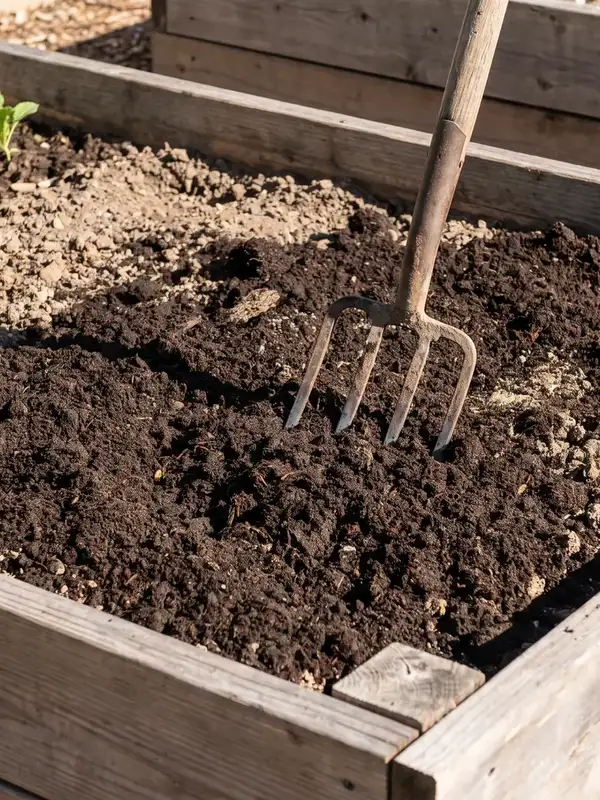
Bulk compost delivered in Cary, NC. Dark brown color.
Starting from $494.79 delivered to Cary for 2 yards, our minimum order
Compost delivery in Cary, NC for clay-heavy yards
Many Cary backyards started life as builder-graded red clay, which is why compost delivery in Cary, NC is such a common order. With about 175,000 residents in the Raleigh-Cary area, plenty of lots here have thin topsoil over dense subsoil, and a few cubic yards of finished compost is the quickest way to change that. MyGravelBuddy sells compost by the cubic yard and brings it to your door, so you skip the pickup truck and the loading line.
The dark brown product is sold loose, dumped in one pile, and ready to spread. A cubic yard weighs roughly 1,000 lb, which is lighter than most people expect when they picture a pile of dirt. It is a bulk load, not a pallet.
Best uses for compost on Cary lots
Clay is the story in most Cary yards, and compost does its best work there. Worked into the top few inches, it opens up the soil so roots and water can move. Vegetable beds, new shrub plantings and the strip along a foundation all benefit.
- Raised and in-ground vegetable beds: blend with existing soil rather than planting into pure compost.
- Lawn repair: a thin topdressing before overseeding helps seed hold moisture through a Carolina summer.
- Tree and shrub rings: spread around the root zone, but keep it back from the trunk.
- Mulch layer: a few inches over bare beds suppresses weeds while it feeds the soil below.
If the project is a full planting bed, many Cary buyers pair compost with Premium Screened Topsoil so the bed has both bulk and organic matter.
After spreading, water the area lightly so the compost settles against the soil beneath it. Newly planted shrubs in particular need that first soaking, and Cary summers dry beds out quickly. Check the spot again after the first heavy storm and rake back any compost that has shifted toward the lowest corner.
Getting the delivery to your driveway
Neighborhoods in Cary range from newer subdivisions with narrow streets to older lots with mature trees overhead. Before you order, look up for low branches and wires, and look down at the surface where the pile will land. A flat patch of driveway or a tarp-covered section of lawn works well. The page for delivery in Cary explains how the service works here, and the checkout screen is where you enter your ZIP.
Compost left in the open will absorb rain and can wash toward storm drains, so many customers shovel it into beds within a few days and cover whatever remains with a tarp.
How much compost to order
Work out the area in square feet, pick a depth in inches, and divide: length times width times depth, all over 324, gives cubic yards. Beds that will be blended into clay usually take two to three inches of compost. Anyone covering a larger lawn or several beds can total each area separately and add them up. The calculator handles the arithmetic if you enter dimensions and a depth.
Cary deliveries begin at a 2 cubic yard minimum. If your project needs less, consider whether a neighbor's bed or a second garden area could use the rest rather than ordering short.
Pricing for compost in Cary
Compost is sold by the cubic yard, and the delivered price for your ZIP is calculated live and shown on the page. Larger orders get a lower rate per cubic yard, so one bigger delivery usually beats two small ones. There is nothing to estimate from a brochure: enter your ZIP and the engine shows the number.
Other materials for the same project
Landscape jobs often need more than compost. Path and drainage work in Cary commonly calls for Pea Gravel, which is sold by the ton and can sit beside a planting bed as an edging or walkway. Statewide options are collected on the Compost in North Carolina page.
Placing your order
Pick the quantity, enter your ZIP, review the delivered price and check out. Customers from Apex and Raleigh, both close to Cary, use the same ordering flow. Keep the dimensions of your beds handy and you can finish the order in a few minutes.
About Compost
Compost is a dark brown, crumbly soil amendment made from broken-down organic matter. It adds organic material to clay and sandy ground, helps soil hold moisture, and gives plant roots a looser place to grow. Gardeners use it in vegetable beds, around shrubs and trees, and as a light topdressing on lawns before overseeding.
At MyGravelBuddy, compost is sold by the cubic yard, and a cubic yard weighs about 1,000 lb. It arrives loose in a pile, so you shovel or wheelbarrow it where it is needed. It is not a replacement for topsoil in new planting areas. The smallest order is 2 cubic yards, and the delivered price for your ZIP is shown live.
What Compost costs in Cary
Local Cary yards quote compost by the ton; the delivered number includes fuel, the truck, and the haul. Send your ZIP and load size and we will send back a same-hour quote with the truck rate and the per-ton figure spelled out. A ton of this material spreads across about 216 sq ft when laid 3 inches deep, useful when you are sizing a patio base or a walkway run.
How crews use Compost in Cary
In and around Cary, compost shows up most often on two project types. The most common deployment is planting bed gravel, often in tight urban lots and infill builds in two to three inch lifts. At roughly 174,721 people, the Cary order mix leans toward 3 to 8 ton residential drops with the occasional 16 ton job for a contractor.
Delivery day in Cary
A typical Cary drop is dispatched from the closest yard with a two hour window and a heads-up call once the truck is loaded. Tandem trucks want a 12 ft lane in and out; tri-axles need 14 ft, and both want firm ground at the tipping spot so the load releases cleanly. Standard lead time on this lane is Mon-Sat, with same-day windows held open for orders that hit the desk before 11 AM and clear payment.
Related materials we deliver in Cary



Estimate how much you need
Work out your material
A planning figure, not a guarantee. Order roughly a tenth extra to cover settling and uneven ground.
Browse more
Available in nearby cities
Plan your project
Related guides
 GUIDEHow Much Does Gravel Cost? A Practical Pricing GuideHow much does gravel cost and why does it vary? See the real factors behind ton pricing, delivery, and order size before you buy.Read guide →GUIDEGravel Size Chart: Pea Gravel to Crushed StoneA gravel size chart showing pea gravel, crushed stone and river rock diameters side by side, so you can match the right size to your project.Read guide →
 GUIDEThe Different Types of Gravel and How to ChooseA plain-language guide to the main types of gravel, covering pea gravel, crushed stone, river rock and decomposed granite.Read guide →
 GUIDEWhat Are Screenings? A Guide to Crushed Stone FinesScreenings are fine crushed stone used for paver bases, joint fill and walkways. See what screenings are, common types, and mistakes to avoid.Read guide →
Frequently Asked Questions
Is compost the same thing as topsoil?
No. Compost is decomposed organic material that feeds soil and improves its structure. Topsoil only when they need extra volume to raise or level an area.
Can I plant straight into pure compost?
You can for some annuals and vegetables, but most plants do better when compost is blended into the native soil. Pure compost can dry out fast and settle over a season. Mixing about one part compost to two or three parts existing soil gives roots a steadier environment and keeps beds from sinking.
How deep should I spread compost on an existing lawn?
Keep it thin, about a quarter to half an inch, raked evenly so grass blades poke through. Heavier layers smother turf. Overseed right after spreading so the seed settles into the compost. If your lawn has bare patches, a slightly thicker layer on just those spots is fine.
How often should I add compost to a Cary vegetable bed?
Most gardeners top up beds once a year, either in early spring before planting or after the last harvest. A one to two inch layer is usually enough to replace what the crops used. Clay beds that are still being improved may take a second layer in the first year, worked in lightly so the soil structure keeps building.
Does it matter which month I spread compost?
Early spring and fall are the easiest times for most beds because soil is workable and plants are not stressed. Compost can go on in any month the ground is not frozen or waterlogged. Fall applications give worms and microbes time to blend it in before spring planting.
Will compost bring weeds into my beds?
Finished compost is generally low in weed seed, but no bulk product is guaranteed sterile. Spread it a few inches thick over a clean bed, and pull whatever sprouts early. Laying cardboard under a thick layer is a common way to cut down on weeds that were already present.
Should I sift compost before I use it?
Finished compost is usually crumbly and ready to spread as it arrives. If you spot a few sticks or larger chunks, rake them out and set them aside. Sifting is only worth the effort for seed-starting beds or a fine topdressing on a lawn, where a smooth, even layer matters more than it does around shrubs.
Does compost attract pests to a garden bed?
Finished compost holds little that interests pests, unlike a kitchen-scrap heap. Spread it over soil instead of leaving it piled against a fence or wall, and keep food waste out of beds. If you notice digging animals after a delivery, a light raking and a layer of mulch on top usually discourages them.