
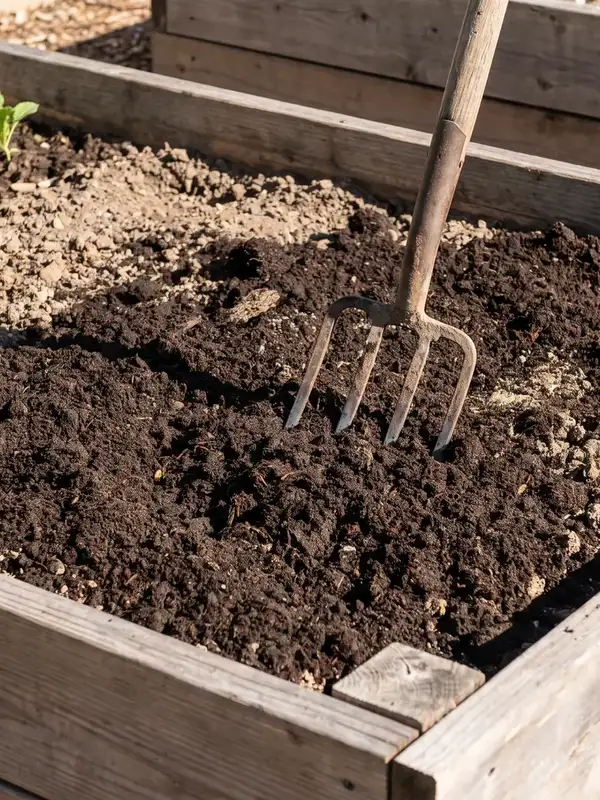
Compost Delivery in Santa Clara, CA by the Cubic Yard
Bulk compost delivered in Santa Clara, CA. Dark brown color.
Starting from $597.58 delivered to Santa Clara for 2 yards, our minimum order
Compost delivery in Santa Clara, CA means a load of dark, finished compost arrives at your address for beds, borders and turf, with no loading of bags into the car. It is sold by the cubic yard, and the price delivered to your ZIP code is worked out live on the page.
Local overview for Santa Clara
Santa Clara is one of the larger cities in the South Bay, with about 130,000 residents. The housing is a mix of older ranch homes, townhomes and newer subdivisions, and most lots have a lawn strip, a row of shrubs along the fence and often a raised bed or two. Sunnyvale and San Jose each sit about 4 miles away, so homeowners across the area tend to ask the same soil questions.
Much of the valley was orchard land before housing went in. Heavy clay is common in parts of the Santa Clara Valley. Clay drains slowly and packs down under foot, and a few inches of finished compost worked into the top of a bed gives it more air space and a better chance of holding water.
Homeowners here often start with one bed and add a second once the first is in. Beds tend to grow in the second season, and a plan drawn for one corner of the yard often ends up covering two. Sizing the first order with that in mind beats coming back for a few shovelfuls later.
Best uses for compost in Santa Clara
- Amending heavy soil before planting a vegetable bed, a perennial border or a new tree ring.
- Top dressing a lawn with a thin layer, then raking it down into the grass.
- Refreshing raised beds each spring to replace the nutrients the last crop used up.
- Mulching shrub beds with a light layer kept back from the trunk.
Compost works best when it is spread evenly and watered in afterward. The soak helps it settle against the existing soil, and a freshly topped bed should stay free of foot traffic until the surface has had it.
Compost does the job in planting areas. For a path, a patio base or a driveway, look at a harder material such as #57 Crushed Stone, which packs down and drains in a way loose organic matter does not.
Delivery in Santa Clara
The city has its own page that covers how orders reach Santa Clara addresses, and you can read it on delivery in Santa Clara before you place an order. Enter your ZIP code at checkout and the delivered price for that address appears before you pay. If you are building a base under a new walkway, Asphalt Millings is a common choice, and it is sold by the ton.
When you choose a drop location, pick a spot that gives the truck clear room and keeps the pile close to the beds you plan to fill, so you are not wheeling loads across the lawn.
How much compost you need
Measure the bed in feet, multiply length by width, multiply that by the depth in inches, then divide by 324. A 10 by 12 foot bed filled 2 inches deep takes about 0.74 cubic yards, and since every order starts at 2 cubic yards, the leftover can go onto a second bed or a lawn patch. The calculator runs the same math if you prefer to type in the numbers.
Pricing notes for compost orders
The rate is set per cubic yard, and what you see on the page is the total for your own ZIP code, worked out live. The rate per cubic yard falls as the order grows, so one load for several beds costs less per yard than separate small deliveries. If you are torn between two amounts, change the quantity box and watch the total move before you commit.
How to order compost in Santa Clara
- Settle on the volume your beds call for.
- Type in the ZIP code of the Santa Clara address that will receive it.
- Name the drop location and check out.
Planning a project in another part of the state? Browse Compost in California for the full list of cities we cover.
About Compost
About this material
Compost is finished organic matter made from decomposed plant material. It is dark brown, crumbles easily in the hand and smells earthy rather than sour. Gardeners use it to loosen heavy ground, feed the soil life that plants depend on and help sandy soil hold moisture longer.
In Santa Clara, this compost is sold by the cubic yard. A cubic yard of finished compost weighs roughly 1,000 pounds, so an order of 2 cubic yards is close to one ton of material. It moves well with a rake or a shovel and suits beds, tree rings and thin lawn top dressing.
For planting beds, work it into the top four to six inches before you set plants. On established beds, a layer of half an inch to an inch on the surface is enough. Keep it a few inches back from stems and trunks, and do not stack it against the wall of a house or a fence post.
What Compost costs in Santa Clara
In the Santa Clara market, compost is sold by the ton and priced at the gate before delivery is added on. Send your ZIP and load size and we will send back a same-hour quote with the truck rate and the per-ton figure spelled out. One ton covers about 216 sq ft at a 3 inch finished depth, so a 400 sq ft driveway pad runs roughly 2 tons.
How crews use Compost in Santa Clara
Crews working out of Santa Clara tend to call for compost on a few repeat jobs each week. The first is planting bed gravel, typically laid in tight urban lots and infill builds with a base lift compacted before the finish course goes on. With a population around 133,132, Santa Clara pulls a mix of single-truck homeowner orders and contractor full-loads through the season.
Delivery day in Santa Clara
On the day of the drop, the dispatcher pulls the closest yard, batches your ticket with other Santa Clara stops, and sends a window the night before. Tandem-axle dumps need at least 12 ft of clear width and 14 ft overhead to set the bed; tri-axles need 14 ft of clearance on both counts and a level pad to tip safely. Standard lead time on this lane is Mon-Sat, with same-day windows held open for orders that hit the desk before 11 AM and clear payment.
Related materials we deliver in Santa Clara


Estimate how much you need
Work out your material
A planning figure, not a guarantee. Order roughly a tenth extra to cover settling and uneven ground.
Browse more
Available in nearby cities
Plan your project
Related guides
 GUIDEHow to Lay a Gravel Driveway: Step-by-Step GuidePractical, field-tested guide: how to lay gravel driveway. Pulled from real US installer notes and 2026 supplier price data.Read guide →
 GUIDEDoes Gravel Stop Weeds? Honest Answer + What WorksPractical, field-tested guide: does gravel stop weeds. Pulled from real US installer notes and 2026 supplier price data.Read guide →
 GUIDEHow Much Gravel Do I Need? Quick Sizing GuidePractical, field-tested guide: how much gravel do i need. Pulled from real US installer notes and 2026 supplier price data.Read guide →
 GUIDEWhat Is #57 Stone? Uses, Size, and Cost ExplainedPractical, field-tested guide: what is 57 stone. Pulled from real US installer notes and 2026 supplier price data.Read guide →
Frequently Asked Questions
How many cubic yards of compost do I need for a raised bed?
Multiply the length, width and depth in inches, then divide by 324. A 4 by 8 foot bed at 3 inches deep needs about 0.3 cubic yards, so the load comfortably covers the bed with extra for a lawn strip or a second bed.
Should I add sand to clay soil before adding compost?
Usually not. Sand mixed into clay in small amounts can leave the soil firmer than before, a bit like weak concrete. Compost is the safer amendment for the heavy ground common around Santa Clara, because it opens the soil gradually and feeds it at the same time. Work it in over a season or two rather than expecting a single application to change everything.
When is the best time to spread compost in the South Bay?
Fall, ahead of the winter rains, and early spring, before planting, both work well. Avoid spreading when clay soil is soggy, because walking on wet ground packs it down and undoes the benefit of the compost. Pick a dry stretch, let the surface firm up, and then work the material in or lay it on top as the bed requires.
Can compost help a bed that stays wet after rain?
It helps over time, though not overnight. Compost builds crumb structure in clay, so water moves through more readily and roots find air. In a bed that stays soggy, also check where the water collects and consider raising the planting area slightly. Compost improves the soil itself but cannot fix a low spot that collects runoff.
What does a load of compost weigh?
Finished compost runs about 1,000 pounds per cubic yard when it is dry and well cured. After rain or a good watering it gets heavier, so wet material is harder to push in a wheelbarrow. That is light next to stone, but still worth spreading in several trips rather than overfilling the barrow.
Can I put compost directly on a lawn?
Yes, a thin layer works well as a top dressing. Spread about a half inch across the grass and rake it so the grass blades show through. Avoid piling it thick enough to smother the turf, since that can leave dead patches in the lawn.
Should compost go in the ground or stay on top?
In clay, work it into the top several inches of a new bed so the heavy soil opens up before planting. Where roots are already established, lay it on the surface and let rain and irrigation carry it down. Digging around shrubs and perennials can damage roots, so the surface method is the gentler choice there.
Can I use compost in containers and planters?
Yes, but mix it rather than filling the pot. Straight compost is dense and can hold too much water, so blend it into potting mix, roughly one part compost to two or three parts mix. The blend gives the plants nutrients while keeping the drainage a container needs.