
Compost Delivery in Lancaster, CA
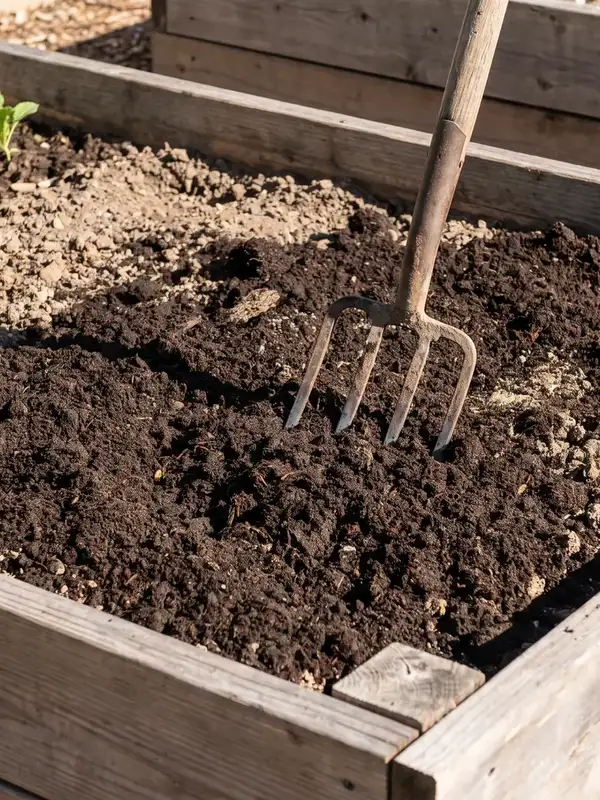
Bulk compost delivered in Lancaster, CA. Dark brown color.
Starting from $612.06 delivered to Lancaster for 2 yards, our minimum order
Compost delivery in Lancaster, CA for desert soil
Soil in the Antelope Valley is dry, often sandy and low in organic matter, which is exactly where compost does its best work. Ordering compost delivery in Lancaster, CA means a full truckload of dark, crumbly material shows up at your property, sold by the cubic yard with a 2 cubic yard minimum. With a city of about 165,000 people spread over a wide, flat valley, many properties here have generous lots, and the delivery in Lancaster page walks through getting a load to your lot.
The statewide Compost in California hub covers the material across the state if you want a broader look.
What compost changes in sandy, alkaline ground
Native ground out here drains fast and holds little water or nutrition. Organic matter acts like a sponge, so a few inches worked into the top of a bed slows the drying out between waterings. It also gives roots something to grab onto and feeds the microbes that keep soil healthy. It does not turn desert dirt into rich loam overnight, but a yearly dose makes a visible difference by the second season.
- Raised and in-ground vegetable beds that otherwise dry out within a day or two in summer.
- Drought-tolerant plantings: a modest amount helps new shrubs and perennials establish, though many natives prefer lean soil, so go light.
- Orchard trees: a ring spread under the canopy and watered in.
- Reseeding bare patches that have been scoured by wind.
Sizing the order
Lancaster lots are often big enough that it is easy to underestimate the volume. Here is a quick way to think about it: one cubic yard covers about 108 square feet at 3 inches deep. So a 300 square foot garden bed at that depth needs roughly 3 cubic yards. For irregular spaces, break them into rectangles, work each one out, and add them up. If you would like the math done for you, the calculator takes length, width and depth.
At around 1,000 lb per cubic yard, the pile moves by wheelbarrow, though a big order across a valley-sized lot is a long afternoon of work. Plan to spread it over a weekend rather than all in one push.
Wind, sun and the drop spot
Afternoon winds in the high desert can carry fine compost across a yard and into your neighbor's. Pick a drop spot sheltered by a fence or the side of the house, and cover the pile with a tarp weighted at the corners if you cannot spread it the same day. A light misting before you shovel keeps dust down.
Keep the pile off any area that will be driven on. Fresh compost is soft and gets tracked everywhere once it is wet.
When to put it down
Summer heat here is fierce and winter nights can get cold, so spring and fall are the comfortable seasons for this job. Spreading in early fall lets the material settle before cooler weather, and gives fall plantings a head start. Mid-summer application works, but water it in right away.
Using it next to stone and gravel projects
Many desert yards pair planting beds with hard surfaces. Compost is only for the planted areas. Paths, edging bands and parking pads call for products like #57 Crushed Stone or Asphalt Millings, which are priced by the ton. Keeping compost out of those zones also stops weeds from sprouting in them.
How the price works
You will not see a price list on this page. Instead, the delivered price is worked out live for your ZIP at checkout and shown before you commit. Larger orders carry a lower rate per cubic yard, so a bigger single order usually costs less per yard than two small ones.
Put in your Lancaster ZIP, set the amount and place the order. If you are stuck between two amounts, go with the larger one for ground this thirsty.
About Compost
Compost is screened, fully decomposed organic matter with a dark color and an earthy smell. We sell it by the cubic yard, and one cubic yard weighs about 1,000 lb.
It is used to improve soil rather than to replace it. Blend it into planting beds, orchard rings and vegetable plots to boost water retention and feed plant roots. In fast-draining soil it holds moisture longer, and in tight soil it opens the structure up. Because it keeps breaking down over time, an annual top-up is a normal part of keeping a garden productive. It should not be used where a firm, load-bearing surface is needed.
What Compost costs in Lancaster
Local Lancaster yards quote compost by the ton; the delivered number includes fuel, the truck, and the haul. Send your ZIP and load size and we will send back a same-hour quote with the truck rate and the per-ton figure spelled out. A ton of this material spreads across about 216 sq ft when laid 3 inches deep, useful when you are sizing a patio base or a walkway run.
How crews use Compost in Lancaster
In and around Lancaster, compost shows up most often on two project types. The most common deployment is planting bed gravel, often in tight urban lots and infill builds in two to three inch lifts. At roughly 167,426 people, the Lancaster order mix leans toward 3 to 8 ton residential drops with the occasional 16 ton job for a contractor.
Delivery day in Lancaster
A typical Lancaster drop is dispatched from the closest yard with a two hour window and a heads-up call once the truck is loaded. Tandem trucks want a 12 ft lane in and out; tri-axles need 14 ft, and both want firm ground at the tipping spot so the load releases cleanly. Standard lead time on this lane is Mon-Sat, with same-day windows held open for orders that hit the desk before 11 AM and clear payment.
Related materials we deliver in Lancaster



Estimate how much you need
Work out your material
A planning figure, not a guarantee. Order roughly a tenth extra to cover settling and uneven ground.
Browse more
Available in nearby cities
Plan your project
Related guides
 GUIDEWhat Are Screenings? A Guide to Crushed Stone FinesScreenings are fine crushed stone used for paver bases, joint fill and walkways. See what screenings are, common types, and mistakes to avoid.Read guide →
 GUIDEWhat to Put Under River Rock for Landscaping BedsHere is what to put under river rock landscaping: a compacted base where needed, then landscape fabric, then rock, to stop weeds and settling.Read guide →GUIDEHow to Clean River Rock and Restore Its ColorLearn how to clean river rock landscaping with rinsing, soap and vinegar methods, plus common mistakes to avoid for a brighter, longer lasting rock bed.Read guide →
 GUIDEHow to Lay a Gravel Driveway: Step-by-Step GuidePractical, field-tested guide: how to lay gravel driveway. Pulled from real US installer notes and 2026 supplier price data.Read guide →
Frequently Asked Questions
Will compost lower the alkalinity of my soil?
Not by much. Finished compost is close to neutral, so it will not noticeably shift pH in one application. What it does is buffer the soil and improve nutrient access for plants. If you need a real pH change, a soil test first will tell you what amendment, if any, is worth adding.
How often should I add compost to a desert garden?
Once a year is typical for vegetable beds, with a fresh inch or two worked in before planting. Ornamental beds and trees can go two or three years between top dressings. Sandy ground burns through organic matter quickly, so watch whether plants slow down.
Can compost go on top of a mulch layer?
It works better underneath. Put compost on bare soil first, then cover it with coarse wood chips or similar mulch. If compost sits on top of mulch, it dries and blows around, and the nutrients never reach the roots.
Can I put compost around established desert shrubs?
Yes, but keep it light. Many drought-tolerant shrubs and natives prefer lean ground, so a thin ring of compost spread under the canopy is plenty. Skip the heavy dose you would give a vegetable bed, and keep the layer clear of the main stem so the base of the plant stays dry and open to air.
Is compost safe around vegetables and fruit?
Properly finished compost is widely used on food gardens. Wash produce as you normally would, and keep compost from touching leafy greens when watering with a hard spray, since splashing can put soil on the leaves.
What does a pile of compost smell like when it arrives?
Good compost smells like damp forest ground, mild and earthy. A sour or ammonia smell means it is still breaking down. Spread it thin and give it a few days before planting if you notice that.
Can I mix compost with sand for a planting mix?
Yes, and in sandy native ground you may not need to. For raised beds built from scratch, a common recipe is about one part compost to two parts sand or topsoil. Test a small batch first to see how it holds water.
What is the minimum order for compost?
Compost for Lancaster addresses cannot go below 2 cubic yards. If one bed needs less than that, use the rest on a second planting area, a ring under a tree or a thin dressing over a patch of lawn, so the extra material goes onto the ground instead of sitting in the driveway.