
Compost Delivery in San Ramon, CA by the Cubic Yard
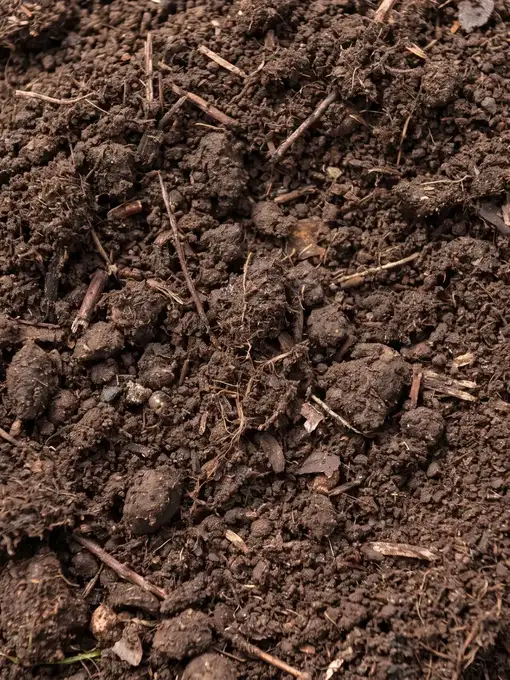
Bulk compost delivered in San Ramon, CA. Dark brown color.
Starting from $597.58 delivered to San Ramon for 2 yards, our minimum order
Compost delivery in San Ramon, CA suits homeowners who want richer beds and healthier lawns across a whole yard in a single delivery. San Ramon is a Tri-Valley city of about 86,000 people, and bulk compost helps rebuild thin soil one planting bed or lawn section at a time. One delivery can cover several areas, which keeps the job moving on a weekend instead of stretching across many store runs. Many homeowners here also plant trees and shrubs as part of new landscaping, and those holes do best with compost worked into the backfill rather than a few handfuls scattered on top.
Prices and delivery for San Ramon addresses
The delivered price for your ZIP is calculated live and shown before you order, so the number already reflects delivery to your property. Larger orders get a lower rate per cubic yard, so a bigger quantity can change what each yard costs you, especially if your planting plan is still taking shape. Check the delivery in San Ramon page for how orders reach addresses in the city.
Dublin sits about 4 miles away, Pleasanton about 7 miles, Hayward about 8 miles, Concord about 9 miles and Livermore about 11 miles. Those distances are given for orientation only.
Compost delivery in San Ramon, CA: jobs it does well
Compost earns its place in a handful of yard jobs, and the list below covers the usual ones. Landscapers also use it to improve the soil around new trees, which often need more material than the native ground provides.
- Shrub and border bed refresh
- Vegetable and herb plot preparation
- Lawn top-dressing and overseeding
- Tree planting holes and root zones
Mulch and compost do different jobs. Mulch is a surface cover that suits a bed once the plants are in, while compost works into the soil itself. For a deeper fill layer under a new lawn or to lift a low spot, the Premium Screened Topsoil page is the better place to start. Mulch options for the city are on the Mulch page.
Herb and vegetable plots call for different amounts. Herbs such as rosemary and thyme prefer lean, well-drained soil, so give them a thin layer, while hungry crops like tomatoes and squash can take a good deal more.
For a tree or shrub hole, blend roughly one part compost with two or three parts of the soil you dug out, then backfill and water to settle. Straight compost in a hole can hold too much water around young roots, which is why the blend beats a pure fill.
Sizing a compost order
Compost is sold by the cubic yard, so measure in feet and inches before you order. Multiply length by width in feet, multiply that by depth in inches, and divide by 324. A 12 by 8 foot bed at 2 inches deep needs about 0.6 cubic yards. If you prefer to let a tool check the arithmetic, the calculator is a quick second check on your numbers.
Every order starts at 2 cubic yards, so plan for that minimum and spread any extra over a second bed, a tree ring or a patch of lawn that needs a boost. Most buyers settle on a quantity once they have measured every bed and lawn strip on the list.
Getting the load on the ground
Enter the ZIP where the material will be dropped. A full cubic yard of compost weighs about 1,000 lb, so clear a path wide enough for a truck and make sure the drop spot can be reached without crossing a lawn. Prepare the bed first and plant afterward, because that order keeps the material where the roots will actually reach it. Get the pile spread within a few days, before it packs down in a heap.
Some San Ramon projects pair compost with a separate topsoil or mulch order for different parts of the yard. Order each product for the job it does best. The Compost in California hub lists the state's other compost delivery areas if you are planning work outside the city.
About Compost
Compost is finished organic matter, dark brown and crumbly, with an earthy smell that signals it is ready for use. San Ramon compost is sold by the cubic yard, and each one weighs about 1,000 lb. That weight is easier to manage than most stone products, so a yard can be moved in stages with a wheelbarrow and a few helpers. Gardeners rely on it to build soil structure, feed plants slowly and help beds keep moisture between waterings.
Compost belongs in the root zone. Mix it into the top several inches of soil before planting, or spread a thin layer over lawns and around established shrubs. It does not hold weight, so do not use it as a base under pavers, slabs or driveways. A stone or millings product is the right choice for those jobs.
Orders in San Ramon start at 2 cubic yards. Enter your ZIP and the delivered total for that address appears before you buy. To size the order, measure the planting area in feet and inches, then convert that space into yards with the formula covered later in this article.
What Compost costs in San Ramon
Around San Ramon, compost is quoted by the ton with delivery layered in based on distance from the closest yard. Send your ZIP and load size and we will send back a same-hour quote with the truck rate and the per-ton figure spelled out. Plan on roughly 216 sq ft of coverage per ton at 3 inches deep, which puts a single-car driveway in the 3 to 5 ton bracket.
How crews use Compost in San Ramon
San Ramon contractors keep compost on the order sheet for a short list of standard installs. Top of the list is planting bed gravel, where the material is rolled out in tight urban lots and infill builds and screeded to grade. San Ramon sits at about 85,924 residents, which means we see steady weekday traffic from landscape crews and weekend pickups from owner-builders.
Delivery day in San Ramon
Delivery in San Ramon runs out of the nearest pit; you get a two hour arrival window the evening prior and a call when the driver leaves the scale. Plan for 12 ft of clear path for a tandem and 14 ft for a tri-axle, plus a level area at the dump point so the bed lifts straight. Standard lead time on this lane is Mon-Sat, with same-day windows held open for orders that hit the desk before 11 AM and clear payment.
Related materials we deliver in San Ramon


Estimate how much you need
Work out your material
A planning figure, not a guarantee. Order roughly a tenth extra to cover settling and uneven ground.
Browse more
Available in nearby cities
Plan your project
Related guides
 GUIDEHow Much Gravel Do I Need? Quick Sizing GuidePractical, field-tested guide: how much gravel do i need. Pulled from real US installer notes and 2026 supplier price data.Read guide →
 GUIDEWhat Is #57 Stone? Uses, Size, and Cost ExplainedPractical, field-tested guide: what is 57 stone. Pulled from real US installer notes and 2026 supplier price data.Read guide →
 GUIDEHow Deep Should a Gravel Driveway Be? Layer GuidePractical, field-tested guide: how deep should gravel driveway be. Pulled from real US installer notes and 2026 supplier price data.Read guide →
 GUIDEHow Much Does River Rock Cost? By Ton or YardRiver rock cost depends on your ZIP code, order size, and whether you buy by the ton or the cubic yard. Here is how pricing works.Read guide →
Frequently Asked Questions
Can I split a compost order between two San Ramon properties?
Each order is delivered to one address, so two properties mean two orders, each with its own price. If a friend or neighbor wants compost too, you can coordinate, but the load still goes to a single drop spot and the price shown depends on that ZIP.
How do I figure out the right depth for a new bed?
Most new beds do well with 2 to 3 inches of compost blended into the top several inches of soil. Raised vegetable beds can take more, around 3 to 4 inches. Decide on the depth first, because it drives the quantity more than the bed footprint does.
Can I spread compost around trees that are already planted?
Yes. Spread an even layer out under the branch spread, where the feeder roots are, and water it in. Keep the compost a few inches back from the trunk so the bark stays dry. Piling it against the trunk invites rot, so a wide, shallow ring does far more good than a tall mound.
How should I water a bed after spreading compost?
Water slowly so the compost settles against the soil below instead of running off. A gentle soak a day or two after spreading is usually enough to start, and new plantings need the soil kept evenly damp until they establish. Check a few inches down before watering again, since compost holds moisture.
How do I keep compost off the sidewalk while I spread it?
Lay a tarp or plywood where the pile will sit, and shovel from the pile directly into a wheelbarrow. Sweep stray material back onto the bed before it gets watered or tracked around. Keeping it out of the gutter also matters, since loose compost can wash into storm drains.
When is the best time to top-dress a lawn with compost?
Fall and early spring are common windows, since grass is actively growing and can recover quickly from light top-dressing. Spread a thin layer, about a quarter inch, and rake it in so the grass blades stay visible. Avoid heavy layers during summer heat, which can smother turf that is already stressed.
Can I use compost in a vegetable garden every year?
Yes. Annual applications are common because vegetables draw heavily on the soil. Spread an inch or two before spring planting and work it in lightly, or top-dress between rows mid-season. Rotating which beds get the heaviest layer keeps fertility even and avoids overloading one spot.
Can compost help with a bare patch in my lawn?
It can. Rake the bare area to loosen the surface, scatter grass seed, and dust it with a fine layer of compost. The compost holds moisture around the seed and gives new grass something to root into. Keep the patch damp until the seedlings are established.