
Bulk Compost Delivery in McKinney, TX
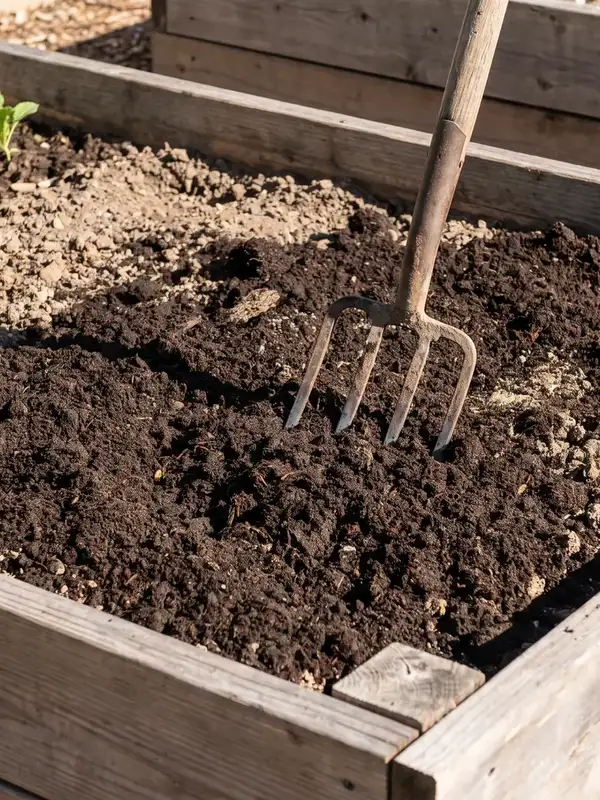
Bulk compost delivered in McKinney, TX. Dark brown color.
Starting from $594.84 delivered to McKinney for 2 yards, our minimum order
McKinney is growing fast, and most of the new yards around it start as compacted builder fill. Compost delivery in McKinney, TX is how many homeowners and small landscapers turn that raw ground into something plants will root in. MyGravelBuddy sells compost by the cubic yard and delivers it to your property, so the work starts when you pick up the shovel, not when you finish a trailer run.
What North Texas clay needs
This part of the Dallas-Fort Worth area sits on heavy clay that swells when wet and cracks when dry. Compost is the standard fix. It builds crumb structure, which gives water somewhere to go and lets roots push past the dense layers. In a city of about 210,000 people, with new lots opening all the time, it is also a simple way to bring a stripped yard back to life after the builder leaves.
Jobs compost handles around McKinney
- New-construction lots: mix into the top few inches before sod or seed.
- Flower beds along the foundation: blend into the planting zone, away from the slab edge.
- Vegetable plots and raised boxes: combine with Premium Screened Topsoil for a loose, rich mix.
- Tree rings: a surface layer that feeds roots without digging them up.
When the project also needs a stone path or a drainage strip, Pea Gravel is sold by the ton and ordered on its own page.
How compost delivery works in McKinney, TX
The page on delivery in McKinney explains the drop-off process. Customers in the surrounding suburbs, including Frisco and Plano, each about 14 miles from McKinney, and Garland at 16 miles, are covered by their own city pages. Browse the Compost in Texas hub to find them.
Think about the route before the truck arrives. New neighborhoods have narrow streets, HOA rules about material left at the curb and sprinkler heads that are easy to crush. Choose a spot on a driveway or firm ground with room for the pile, and keep it off the sidewalk.
Calculating the volume of compost
Multiply bed length by width in feet, then by the depth in inches, and divide by 324. A 30 by 8 foot foundation bed at 3 inches comes out near 2.2 cubic yards. If your layout is odd, enter it in the calculator and swap in the compost depth you want.
Plan a quarter to half inch over existing turf, 3 inches for planting beds and 4 inches when you are converting hard clay into something plantable. Clay-heavy yards often take an extra inch, because compost mixes down into the dense soil below.
Timing and weather
North Texas springs bring storms that can leave beds soggy. Wait until a handful of soil crumbles instead of smearing, then spread and mix. Working wet clay compacts it and undoes the benefit. Fall is just as good: cooler air and fall rain help the compost settle in before the next growing season.
Caring for beds after the pile is spread
Once compost is in, the first few weeks decide how well it takes. Keep new beds evenly moist, not soaked, and check that automatic sprinklers are not drowning them. Many McKinney yards run irrigation on a fixed schedule set for turf, which is often too much for freshly amended beds. Hold off on strong fertilizer for the first month, because compost already supplies a gentle feed, and add a layer of mulch once the soil has settled.
Over the next year, watch how the clay responds. Beds that stay firm underfoot may want a second, lighter round of compost the following fall.
Price details
Compost is sold by the cubic yard, with a minimum of 2 cubic yards. The delivered rate for your ZIP is calculated live, and the rate per cubic yard falls as the order gets larger.
Place your order
Choose your quantity on the product page and check out. Contractors working several lots can order for each address separately.
About Compost
Compost is decomposed plant material that has finished curing. It is dark brown, crumbly and earthy-smelling, and it is sold here by the cubic yard. One cubic yard weighs about 1,000 lb, which is far lighter than rock or soil and easy to spread by hand once it is on site.
Its value is in what it does to the ground. It supplies slow-release nutrients, helps loose soil hold water and breaks up dense clay so roots and rain can get through. Work it into beds before planting, or spread it across the surface to feed a lawn or established shrubs. For containers and raised beds, blend it with mineral soil instead of using it straight.
The product page works out the delivered price for your ZIP as you type it. Bigger orders earn a lower rate per cubic yard, and the starting order is 2 cubic yards.
What Compost costs in McKinney
Local McKinney yards quote compost by the ton; the delivered number includes fuel, the truck, and the haul. Send your ZIP and load size and we will send back a same-hour quote with the truck rate and the per-ton figure spelled out. A ton of this material spreads across about 216 sq ft when laid 3 inches deep, useful when you are sizing a patio base or a walkway run.
How crews use Compost in McKinney
In and around McKinney, compost shows up most often on two project types. The most common deployment is planting bed gravel, often in tight urban lots and infill builds in two to three inch lifts. At roughly 211,171 people, the McKinney order mix leans toward 3 to 8 ton residential drops with the occasional 16 ton job for a contractor.
Delivery day in McKinney
A typical McKinney drop is dispatched from the closest yard with a two hour window and a heads-up call once the truck is loaded. Tandem trucks want a 12 ft lane in and out; tri-axles need 14 ft, and both want firm ground at the tipping spot so the load releases cleanly. Standard lead time on this lane is Mon-Sat, with same-day windows held open for orders that hit the desk before 11 AM and clear payment.
Related materials we deliver in McKinney



Estimate how much you need
Work out your material
A planning figure, not a guarantee. Order roughly a tenth extra to cover settling and uneven ground.
Browse more
Available in nearby cities
Plan your project
Related guides
 GUIDEHow Much Does Gravel Cost? A Practical Pricing GuideHow much does gravel cost and why does it vary? See the real factors behind ton pricing, delivery, and order size before you buy.Read guide →GUIDEGravel Size Chart: Pea Gravel to Crushed StoneA gravel size chart showing pea gravel, crushed stone and river rock diameters side by side, so you can match the right size to your project.Read guide →
 GUIDEThe Different Types of Gravel and How to ChooseA plain-language guide to the main types of gravel, covering pea gravel, crushed stone, river rock and decomposed granite.Read guide →
 GUIDEWhat Are Screenings? A Guide to Crushed Stone FinesScreenings are fine crushed stone used for paver bases, joint fill and walkways. See what screenings are, common types, and mistakes to avoid.Read guide →
Frequently Asked Questions
Will compost fix hard clay by itself?
Compost improves clay a great deal over a few seasons, but it works best alongside good drainage. Blend it into the soil to the depth described above rather than layering it on top, and pair it with raised beds or soil blends where water stands after rain.
What should I do with the pile if rain is coming?
Cover it with a tarp or plastic sheet and keep it away from the street gutter so runoff does not wash material off the pile. An open pile left in a storm turns heavy and soggy, which makes it much harder to shovel and move by wheelbarrow once the weather clears.
What is the difference between compost and manure?
Compost is any organic material broken down until stable, while manure comes from animals and may be fresh or composted. Finished compost is gentler and safer around young plants, and it has a more consistent texture for beds and turf.
Is compost good for a vegetable garden in North Texas?
Yes. Tomatoes, peppers and squash respond well to beds enriched with it. It buffers swings between dry spells and heavy storms by holding water. Add a balanced fertilizer mid-season for heavy feeders, since compost releases nutrients slowly.
Will compost attract pests?
Finished compost has little food value left, so it rarely draws rodents or flies. A pile left uncovered near a patio may attract a few insects briefly. If you notice a strong smell, the material may be too wet, so spread it thin to dry.
Can I use compost around a pool or patio?
Keep it away from pool decks and light pavers, because dark organic material stains and tracks into water. Use it only in planting areas that are bordered or mulched, and sweep up any spills right away.
How much will a cubic yard cover?
Roughly 100 square feet at 3 inches, or about 160 square feet at 2 inches. Those figures help you eyeball a project before using exact measurements. Remember the smallest order is 2 cubic yards, so check that your area is big enough.
Can I use compost to fix bare spots in my lawn?
Yes. Rake a thin layer over the bare patch, scatter seed and water lightly so the seed stays moist. Keep the layer shallow so seedlings can push through, and avoid piling it against the crowns of the grass around the edge.