
Compost Delivery in Spokane, WA for Gardens and Lawns
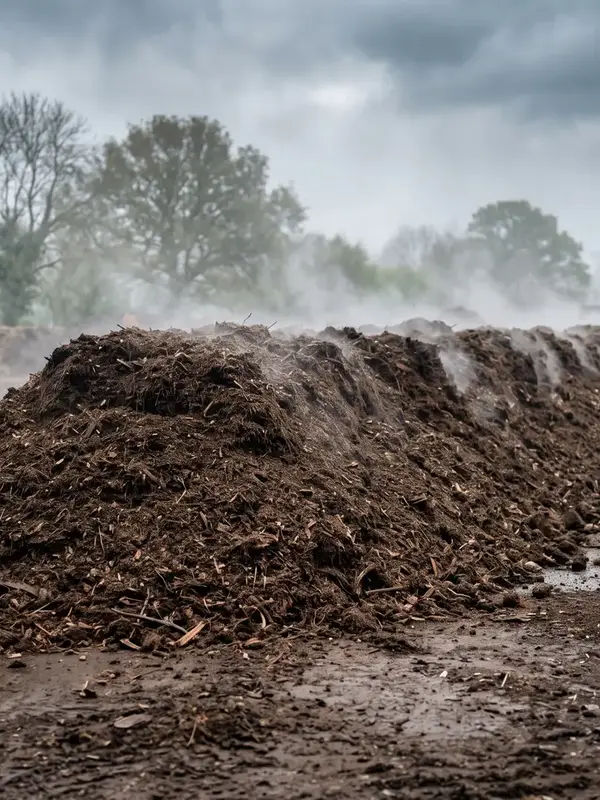
Bulk compost delivered in Spokane, WA. Dark brown color.
Starting from $515.82 delivered to Spokane for 2 yards, our minimum order
Spokane gardeners work with fast-draining ground, hot dry summers and a growing season that starts late, so organic matter matters more here than almost anywhere else in Washington. Compost delivery in Spokane, WA through MyGravelBuddy is sold by the cubic yard, with the delivered price calculated for your ZIP on the product page. If you also work in other parts of the state, see Compost in Washington.
Why Spokane soil asks for compost
Much of the Spokane valley sits on sandy, gravelly ground laid down by ancient floods, and the hillsides carry thin soil over rock. Water runs through it quickly. Compost acts like a sponge in that kind of ground, holding moisture near the roots long after a sprinkler cycle ends. It also feeds the soil life that sandy lots tend to lack.
Uses that fit Spokane yards
- Vegetable gardens: a short season means plants need fertile soil from day one, and compost supplies it.
- Lawn renovation: topdress after dethatching to help seed hold water through July and August.
- Fruit trees and berries: spread a ring around each plant to help roots in lean soil.
- Xeriscape beds: blend a modest amount in, since drought-tolerant plants prefer lean mixes.
For bare ground that needs more than amending, a bulk load of Premium Screened Topsoil is sold by the ton and makes a good base to blend compost into. Dress the finished bed with Mulch, sold by the cubic yard like compost, to slow evaporation.
Compost delivery in Spokane, WA: the drop spot
The truck tips compost in a single pile at the spot you choose, so pick a firm, level area close to the beds. Spokane lots on the South Hill and in older neighborhoods can have tight alleys and overhead wires, so check the clearance above your drive before ordering. Our delivery in Spokane page covers the local details.
Winter changes the picture. Frozen or snow-covered ground can make a drop spot harder to reach, so keep the route plowed if you are ordering in the cold months.
Fitting compost into Spokane's seasons
The calendar is tighter here than on the west side of the state. Many gardeners spread compost in late September or October, after the harvest and before the ground freezes, so the fall moisture and winter snowmelt carry it down. The other good window is April, once the soil has thawed and dried enough to work. Late May frosts can still hit, so wait on tender transplants even after the beds are prepared.
After the pile is spread
Water the beds once you finish raking. Moisture settles the fine particles against the soil and starts the blending process. On a sandy Spokane lot, check a few days later by pushing a trowel down: the compost layer should be damp, and the soil under it should be starting to feel darker. If the top has gone dry and pale, give it another soak.
Measuring your compost order
Take the length and width of the area in feet, multiply by the depth you want in inches, and divide by 324 to get cubic yards. An inch over a 20 by 30 foot garden is a little under 2 cubic yards, which happens to match the smallest order we take, 2 cubic yards. The calculator can double check your figures.
Light, sandy soil swallows compost faster than clay does, so the first application often disappears into the ground within a season. Do not be surprised if beds look thinner by the next spring.
What your ZIP shows
The price on the page is the delivered price for your Spokane ZIP, with nothing to add on top. Ordering more cubic yards at once brings the rate per yard down, so it pays to combine projects, such as a new garden plus a lawn topdressing, into one order.
Ordering step by step
- Enter your ZIP on the product page.
- Choose how many cubic yards you need.
- Review the delivered price, then place the order.
If your site has a locked gate, a steep driveway or a spot the truck should avoid, mention it with your order.
About Compost
Compost is organic material, such as yard trimmings and plant waste, that has broken down into a dark, crumbly, soil-like product. It is used to feed growing areas, not as a stand-alone soil.
A cubic yard weighs about 1,000 pounds, noticeably lighter than rock products, so it is ordered by volume. The material is screened to remove larger chunks, which makes it easy to spread with a shovel and rake.
Most gardeners add 1 to 3 inches over a planting area and mix it into the top few inches of soil. In a vegetable bed, it can be mixed more heavily. Around trees and shrubs, spread it as a ring and keep it back from the trunk so the bark stays dry.
Compost improves how soil holds water and nutrients, and it supports the earthworms and microbes that keep ground loose. It is not suited to driveways, walkways or any surface that has to carry weight.
What Compost costs in Spokane
Local Spokane yards quote compost by the ton; the delivered number includes fuel, the truck, and the haul. Send your ZIP and load size and we will send back a same-hour quote with the truck rate and the per-ton figure spelled out. A ton of this material spreads across about 216 sq ft when laid 3 inches deep, useful when you are sizing a patio base or a walkway run.
How crews use Compost in Spokane
In and around Spokane, compost shows up most often on two project types. The most common deployment is planting bed gravel, often in tight urban lots and infill builds in two to three inch lifts. At roughly 230,000 people, the Spokane order mix leans toward 3 to 8 ton residential drops with the occasional 16 ton job for a contractor.
Delivery day in Spokane
A typical Spokane drop is dispatched from the closest yard with a two hour window and a heads-up call once the truck is loaded. Tandem trucks want a 12 ft lane in and out; tri-axles need 14 ft, and both want firm ground at the tipping spot so the load releases cleanly. Standard lead time on this lane is Mon-Sat, with same-day windows held open for orders that hit the desk before 11 AM and clear payment.
Related materials we deliver in Spokane


Estimate how much you need
Work out your material
A planning figure, not a guarantee. Order roughly a tenth extra to cover settling and uneven ground.
Browse more
Available in nearby cities
Plan your project
Related guides
 GUIDEHow Much Gravel Do I Need? Quick Sizing GuidePractical, field-tested guide: how much gravel do i need. Pulled from real US installer notes and 2026 supplier price data.Read guide →
 GUIDEWhat Is #57 Stone? Uses, Size, and Cost ExplainedPractical, field-tested guide: what is 57 stone. Pulled from real US installer notes and 2026 supplier price data.Read guide →
 GUIDEHow Deep Should a Gravel Driveway Be? Layer GuidePractical, field-tested guide: how deep should gravel driveway be. Pulled from real US installer notes and 2026 supplier price data.Read guide →
 GUIDEHow Much Does River Rock Cost? By Ton or YardRiver rock cost depends on your ZIP code, order size, and whether you buy by the ton or the cubic yard. Here is how pricing works.Read guide →
Frequently Asked Questions
Will compost help my sandy soil hold water?
Yes, and sandy ground benefits more than most. Organic matter holds many times its weight in moisture, so it slows the drain-through that dries out roots. Mix 2 to 3 inches into the top 6 inches of soil, and keep an eye on how the beds look through the first full growing season.
Is compost a good idea for xeriscape beds?
Yes, in moderation. New drought-tolerant plants appreciate a little organic matter in the backfill to get established, but these plants prefer lean ground. Skip heavy layers, and once the plants are rooted in there is little reason to keep adding more each year.
Is compost safe around pets and kids?
Finished compost is generally safe to handle, but it is still a raw garden material. Wash hands after working with it, wear gloves if you have cuts, and keep dogs from digging in a fresh pile, since they can be tempted by the smell.
Can I use compost to grow grass seed?
Yes. A thin layer, about a quarter inch, over loosened soil gives seed a moist bed to start in. Rake lightly, water often until sprouts show, and avoid heavy layers that bury the seed too deep. Most lawn projects need far less compost than a garden bed.
Can I spread compost before the first snow?
Yes, and late fall is a good time for it. Rake it onto cleared beds before the ground freezes, and let snowmelt carry the nutrients down. Avoid spreading onto frozen or snow-covered ground, where it cannot soak in and may simply slide off a slope.
Does compost attract pests?
Finished compost has little food value for rodents or flies, and a fresh pile rarely draws trouble. Problems usually come from kitchen scraps added later. Keep the pile tidy, spread it soon after arrival and avoid mixing food waste into the bed.
How is compost different from topsoil?
Topsoil for volume, compost blended through it for fertility.
Is compost the same as fertilizer?
No. Fertilizer delivers concentrated nutrients quickly, while compost improves soil structure, water holding and soil life, and releases nutrients slowly. Gardeners often use compost as the base and add a little fertilizer only where a hungry crop needs a boost. Compost alone usually covers an ornamental bed.