
Garden Soil Delivery in Newport News, VA by the Ton
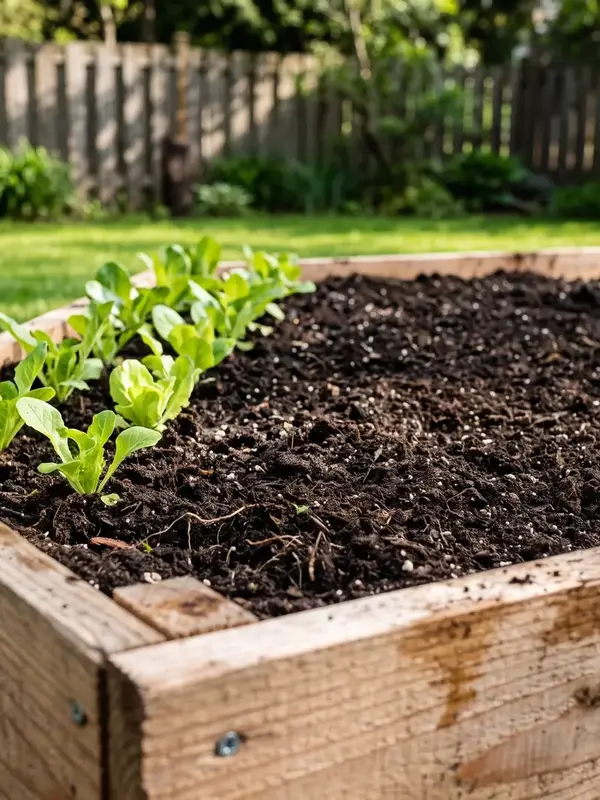
Bulk garden soil delivered in Newport News, VA. Dark brown color.
Starting from $481.17 delivered to Newport News for 2 tons, our minimum order
A raised bed in Newport News, a new border along a fence line, a lawn that never recovered from last summer: garden soil handles all three, and ordering it here means a delivered load, not a trunk full of bags. It is sold by the ton, the smallest order is 2 tons, and you can order it for a Newport News address in a few clicks.
Garden soil delivery in Newport News: what to know first
Newport News stretches along the James River side of the Peninsula, home to about 185,000 people, and the mix of older housing, new subdivisions and waterfront lots means growing conditions vary block by block. Hampton is the nearest neighbor at about 6 miles, with Norfolk about 11 miles away, Chesapeake about 19 and Virginia Beach about 24. The delivery in Newport News page explains how loads reach the city, and Garden Soil in Virginia lists the product across the state.
Projects that suit this material
Most orders fall into a few familiar jobs.
- Filling new raised beds, where the whole box is soil and nothing else.
- Building up a border before planting shrubs, roses or perennials.
- Replacing worn soil in large planters and whiskey-barrel pots.
- Topping a vegetable garden each spring so the beds keep producing.
If you want a smoother, screened surface for leveling a lawn before seed, look at Premium Screened Topsoil instead. Plant beds with a gravel path or a dry creek bed run alongside often use Pea Gravel for the walking surface.
Sizing the order
Start from your area. Measure length and width in feet, choose how deep you want the soil in inches, multiply the three numbers and divide by 324. That gives cubic yards. For example, a 10 by 12 foot bed at 6 inches deep needs about 2.2 cubic yards. The calculator will translate the volume to tons so you can enter the right amount. A long, narrow border measuring 3 by 20 feet at 4 inches deep comes to roughly 0.7 cubic yards, so a strip like that is best paired with other beds to reach the smallest order of 2 tons.
Because soil is sold by weight, a damp pile of soil weighs more than a dry one of the same size. Treat your volume figure as an estimate and lean toward the higher tonnage, since a short load stalls a project and extra soil is easy to use elsewhere in the yard.
The delivered price for your ZIP
No dollar amount is printed on this page. The live price engine looks at the ZIP you enter and shows the delivered price for it. Larger orders get a lower rate per ton, which is worth knowing if you have a bed to fill this month and a second garden you have been putting off.
Planning the drop
Choose a flat, firm place close to where the soil will go. Driveways work well with a tarp underneath, and a spot beside the beds saves a lot of barrow trips. Lots near the river can be soft after a storm, so a dry, hard patch is a better choice than the lawn.
Place the order, tell the form where the pile should go, and you are set.
Getting beds ready for the soil
New soil performs best when it meets prepared ground. Pull weeds by the root, rough up the surface with a garden fork and cut a clean edge so the soil has a visible boundary, which also keeps it from creeping onto the lawn. Spread in layers of a few inches and rake as you go, so you do not end up with one giant mound you cannot reach across. Around trees and shrubs, keep soil away from the trunk or stem, because piling it against bark invites rot.
Finish with a layer of mulch to hold moisture, which matters through a humid Virginia summer when new plantings dry out quickly.
About Garden Soil
Garden soil is a dark brown blend sold by the ton and meant for places where plants will actually grow: vegetable rows, flower borders, raised frames and patches of tired yard. It is not a base material, so keep it for the top layer and use stone underneath where drainage or support is needed.
One ton is 2,000 pounds, and every order starts at 2 tons.
The blend is loose and crumbly, so it spreads with a shovel and rake and settles into beds without clumping. It suits both first-time gardeners filling a single frame and homeowners refreshing several beds around the yard, and it pairs well with mulch laid on top once planting is finished.
What Garden Soil costs in Newport News
Local Newport News yards quote garden soil by the ton; the delivered number includes fuel, the truck, and the haul. Send your ZIP and load size and we will send back a same-hour quote with the truck rate and the per-ton figure spelled out. A ton of this material spreads across about 108 sq ft when laid 3 inches deep, useful when you are sizing a patio base or a walkway run.
How crews use Garden Soil in Newport News
In and around Newport News, garden soil shows up most often on two project types. At roughly 184,896 people, the Newport News order mix leans toward 3 to 8 ton residential drops with the occasional 16 ton job for a contractor.
Delivery day in Newport News
A typical Newport News drop is dispatched from the closest yard with a two hour window and a heads-up call once the truck is loaded. Tandem trucks want a 12 ft lane in and out; tri-axles need 14 ft, and both want firm ground at the tipping spot so the load releases cleanly. Standard lead time on this lane is Mon-Sat, with same-day windows held open for orders that hit the desk before 11 AM and clear payment.
Related materials we deliver in Newport News



Estimate how much you need
Work out your material
A planning figure, not a guarantee. Order roughly a tenth extra to cover settling and uneven ground.
Browse more
Common uses for Garden Soil in Newport News
Available in nearby cities
Plan your project
Related guides
 GUIDEWhat Is Crushed Stone? Sizes, Uses and Buying BasicsCrushed stone is quarried rock crushed and screened into angular pieces sold by the ton. Here is what it is, how it is graded, and where to use it.Read guide →
 GUIDEHow Much Does Gravel Cost? A Practical Pricing GuideHow much does gravel cost and why does it vary? See the real factors behind ton pricing, delivery, and order size before you buy.Read guide →GUIDEGravel Size Chart: Pea Gravel to Crushed StoneA gravel size chart showing pea gravel, crushed stone and river rock diameters side by side, so you can match the right size to your project.Read guide →
 GUIDEThe Different Types of Gravel and How to ChooseA plain-language guide to the main types of gravel, covering pea gravel, crushed stone, river rock and decomposed granite.Read guide →
Frequently Asked Questions
How deep should garden soil be in a raised bed?
Fill a raised bed to within an inch or two of the top. Even if the frame is tall, six to twelve inches of soil gives most vegetables enough room, and the lower part can hold coarser material if you want to save on volume. Whatever the depth, make sure the frame has an open bottom or drain holes so water does not collect.
Can I mix garden soil with my existing yard dirt?
Yes, and for heavy ground it is a good idea. Work the new soil into the top several inches with a spade or tiller so there is no hard line between layers. Roots cross a gradual change easily, but they tend to circle when soil on top sits against a sharply different layer below.
What tools make spreading a load easier?
A wheelbarrow, a flat-edged shovel and a steel garden rake cover most jobs. Move the soil in the order you will plant, rake each batch level, and keep a tarp handy for the barrow route. A sturdy pair of gloves saves your hands, and a second person makes the heavy lifting go much faster.
How soon after delivery should I plant?
Spread the soil, water it lightly, and plant within a few days. Letting a bed sit for weeks invites weeds to colonize the surface, and rain can crust it over. If planting has to wait, cover the pile with a tarp so it stays workable and does not turn into a muddy mess or a weedy patch.
Will garden soil attract pests to my Newport News yard?
Clean garden soil does not bring pests on its own. Problems usually come from what you plant and how you water. Soggy beds draw slugs and gnats, so water in the morning and let the surface dry between sessions. Humid Virginia summers favor fungus, so give plants room for airflow, and rotate crops each season so insects that favor one vegetable do not build up.
How do I keep weeds out of fresh soil?
Cover the surface with mulch right after planting, and pull any seedlings that appear while they are small. Some weed seeds are always present in the ground below, so a clean bed is a matter of routine more than of the soil itself. Landscape fabric under the soil can help in paths but rarely in planting beds.
When is the best season to spread it?
Early spring and early fall are the easiest times, because the soil is workable and plants have mild weather to establish. Summer planting works with regular watering. Avoid spreading while the ground is frozen or waterlogged, since the soil will not blend with what is below it.
What can I do with leftover soil?
Leftover garden soil is easy to put to work. Top up a bed that has settled, fill a few extra planters, or spread a thin layer over a thin patch in the lawn. A neighbor starting a new bed will often take extra off your hands, and soil kept in a tidy heap keeps for a long time.