
Compost Delivery in Newport News, VA by the Cubic Yard
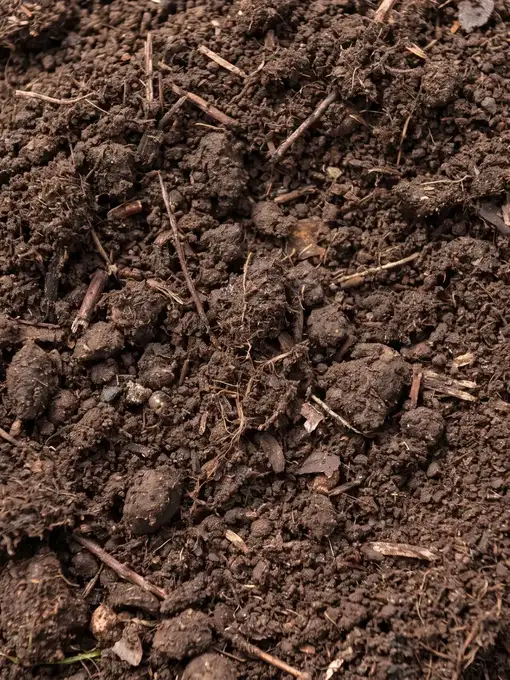
Bulk compost delivered in Newport News, VA. Dark brown color.
Starting from $481.17 delivered to Newport News for 2 yards, our minimum order
Compost delivery in Newport News, VA, for sandy and clay yards
Newport News stretches along the James River in the Hampton Roads region, and its yards range from sandy lots that drain too fast to heavier ground that stays wet. Compost delivery in Newport News, VA, gives both a fix: finished compost arrives at your address by the cubic yard, ready to mix into beds, lawns and planting areas.
The city has about 185,000 residents and belongs to the Virginia Beach-Chesapeake-Norfolk metro area. Hampton is only 6 miles away and Norfolk 11, so plenty of neighbors are tackling the same kind of soil. If you want the delivery side first, the page on delivery in Newport News explains how orders reach the city.
Soil problems compost helps with here
Coastal soil tends to run to extremes. Sandy beds lose water and nutrients quickly, so compost acts like a sponge and a slow-release feed. Clay-heavy beds do the opposite: they hold water and set hard, and compost opens them up so roots can move.
- Vegetable gardens: work a generous layer into the top of the bed before spring planting.
- Foundation beds: refresh soil that has been stripped by years of mulch and weeds.
- Tree rings: spread a thin layer under the canopy.
- Bare patches in turf: rake a light layer over seed after a rough summer.
Plan the rest of the project around it. Premium Screened Topsoil is the better choice when you need to raise a bed or fill a low spot, and Pea Gravel suits walkways between planting areas. Compost then goes in as the amendment that makes the topsoil work harder.
Working out the quantity
Start with a tape measure. Length times width times depth in inches, divided by 324, gives cubic yards. For example, a 20 by 5 foot border at 4 inches deep is a bit over 1 yard. Add a margin on top of your math because compost is light and airy at first and settles by an inch or so after the first few waterings.
The calculator is set up for driveway projects, but you can still use it to check areas and depths. Remember that our smallest order is 2 cubic yards, so group several beds into a single delivery rather than ordering one at a time.
Prices, ordering and the delivery spot
Compost is sold by the cubic yard. Put in your ZIP and the delivered price appears live on the page, with a lower rate per cubic yard for larger orders. Nothing is hidden in a separate quote.
The driver tips the load in one pile, so pick a flat, firm area near the work. In Newport News that is usually a driveway or the edge of a side yard. Overhead lines and low tree limbs matter because the truck bed rises to dump, so look up before you choose a spot. Shovel the compost off pavement the same day so it does not stain.
Choosing between mixing in and spreading on top
Where you are planting something new, such as a vegetable bed or a row of shrubs, mix the compost into the soil with a garden fork so roots meet it right away. Where plants are already established, such as perennials or a mature hedge, leave the roots alone and spread a layer on the surface. Earthworms and rain carry it down over a few months without any digging, and the plants are not disturbed.
A common mistake is burying plants too deep in a fresh layer. Keep crowns and stems clear, and never pile it against a trunk. Two inches is enough for most surface jobs, and you can always add more next season.
Good timing for coastal weather
Late winter and early fall are good windows for beds, since both give roots time to settle before the heat. Storm season can bring strong wind and heavy rain, which wash an uncovered pile into the gutter. If a storm is forecast, cover the pile with a tarp weighted at the edges, or wait until it clears before you order.
Not sure what else you can reach from here? Browse the statewide listings on the page for Compost in Virginia, or compare against the River Rock and crushed stone available to the same ZIP before you finalize a design.
About Compost
Compost is screened, decomposed organic material that looks like dark brown crumbs and smells like forest floor. It feeds soil life, improves structure and helps ground hold the right amount of water. It is an amendment, not a full soil.
For sandy Newport News beds, it adds the body that lets water and nutrients stay near roots. For heavier ground, it breaks up tight clumps and improves drainage. A thin layer on top also protects bare earth from hard coastal rain.
The material is sold by the cubic yard, and one yard weighs about 1,000 pounds. Texture is fine enough to spread with a rake and mix with a shovel. For raised beds, blend it with topsoil so the bed keeps its height after the first season.
What Compost costs in Newport News
Around Newport News, compost is quoted by the ton with delivery layered in based on distance from the closest yard. Send your ZIP and load size and we will send back a same-hour quote with the truck rate and the per-ton figure spelled out. Plan on roughly 216 sq ft of coverage per ton at 3 inches deep, which puts a single-car driveway in the 3 to 5 ton bracket.
How crews use Compost in Newport News
Newport News contractors keep compost on the order sheet for a short list of standard installs. Top of the list is planting bed gravel, where the material is rolled out in tight urban lots and infill builds and screeded to grade. Newport News sits at about 184,896 residents, which means we see steady weekday traffic from landscape crews and weekend pickups from owner-builders.
Delivery day in Newport News
Delivery in Newport News runs out of the nearest pit; you get a two hour arrival window the evening prior and a call when the driver leaves the scale. Plan for 12 ft of clear path for a tandem and 14 ft for a tri-axle, plus a level area at the dump point so the bed lifts straight. Standard lead time on this lane is Mon-Sat, with same-day windows held open for orders that hit the desk before 11 AM and clear payment.
Related materials we deliver in Newport News



Estimate how much you need
Work out your material
A planning figure, not a guarantee. Order roughly a tenth extra to cover settling and uneven ground.
Browse more
Available in nearby cities
Plan your project
Related guides
 GUIDEThe Different Types of Gravel and How to ChooseA plain-language guide to the main types of gravel, covering pea gravel, crushed stone, river rock and decomposed granite.Read guide →
 GUIDEWhat Are Screenings? A Guide to Crushed Stone FinesScreenings are fine crushed stone used for paver bases, joint fill and walkways. See what screenings are, common types, and mistakes to avoid.Read guide →
 GUIDEWhat to Put Under River Rock for Landscaping BedsHere is what to put under river rock landscaping: a compacted base where needed, then landscape fabric, then rock, to stop weeds and settling.Read guide →GUIDEHow to Clean River Rock and Restore Its ColorLearn how to clean river rock landscaping with rinsing, soap and vinegar methods, plus common mistakes to avoid for a brighter, longer lasting rock bed.Read guide →
Frequently Asked Questions
How deep should I spread compost in a new bed?
Aim for two to four inches worked into the top six to eight inches of existing soil. That ratio feeds plants without leaving a layer too rich or too loose to hold roots. Rake it level, water it in and let it settle a few days before planting.
Can compost go on top of mulch or under it?
Put it under. Spread compost on the soil first, then add a mulch layer of a few inches over it. This lets the compost feed the ground while the mulch slows evaporation and weeds. Compost placed over mulch tends to wash or blow away.
Do I need to rake the pile out right away?
Within a few days is a good aim. Left alone, a pile compresses and gets harder to shovel, and rain can leave a soggy base. Start with the beds you plant soonest and leave surface jobs for last.
Is compost safe around pets and kids?
Finished compost is generally safe to handle, but it is still soil. Wash hands after working with it and keep dogs from eating it, since decaying material can upset a stomach. Wear gloves and a dust mask on a dry, windy day.
How often should I top up a bed?
Compost breaks down over a season or two, so most beds benefit from a fresh layer once a year. Vegetable plots usually want it every spring, while ornamental beds can wait longer. Thinning plants or crusty soil mean it is time.
Will compost change my soil's pH?
Mature compost usually sits close to neutral and buffers soil rather than shifting it much. If you are growing something fussy, such as blueberries, test your soil first, since those plants need acidic ground and compost alone will not provide it.
Can I order compost for a commercial planting?
Yes. Small contractors and property managers order the same way homeowners do, with the delivered price shown for the job site ZIP. Larger orders get a lower rate per cubic yard, which is useful when you are covering several beds at once.
What can I do if I order too much?
Leftover compost keeps well. Store it in a tidy pile under a tarp, then use it later to top up beds, fill containers or enrich a tree ring.