
Fill Dirt Delivery in Boulder, CO, Sold by the Ton
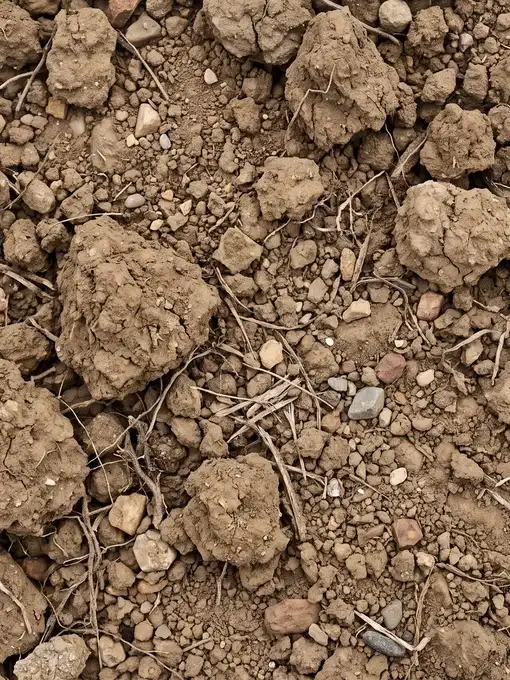
Bulk fill dirt delivered in Boulder, CO. Brown color.
Starting from $491.08 delivered to Boulder for 2 tons, our minimum order
If your Boulder lot has a low back corner or a driveway edge that sits below the lawn, fill dirt is usually the bulk material people reach for first. Fill dirt delivery in Boulder, CO is sold by the ton, and this page covers the pricing, how to size an order, where the material fits, and what to plan on the ordering side. Boulder has about 106,000 residents and sits against the foothills, about 20 miles from Arvada and about 26 from Denver.
Pricing for fill dirt delivery in Boulder, CO
Fill dirt here is sold by the ton. The delivered price shown for your ZIP is calculated live, and larger orders drop to a lower rate per ton. The smallest order is 2 tons, which is enough to patch a washed-out corner beside a Boulder foundation.
Sizing a Boulder fill order
Take the length and width in feet, multiply them together, then multiply by the depth in inches and divide by 324. The result is cubic yards. A 15 by 40 foot strip filled 3 inches deep comes to about 5.6 cubic yards.
Each cubic yard of this material weighs about 2,200 lb, so that strip works out to roughly 12,200 lb. A ton is 2,000 lb, so the strip needs about 6 tons.
Plan on about 10 percent more than the math shows, since fill sinks as it gets wet and gets walked on. The calculator runs the same arithmetic if you would rather type in the numbers.
Irregular shapes are easier to handle in pieces. Split the footprint into rectangles, run each one through the formula, then add the totals together. The sum is the number that goes on the order, and it is the figure to check against the tonnage you pick.
Slope and drainage on Boulder lots
Foothill lots often pitch toward the house, so the fill has to reverse that: lift the soil at the foundation and let the grade fall away from it. Half a foot of drop over the first ten feet out from the wall is a typical goal. If snowmelt or storm runoff cuts a channel across the yard, a top layer of Pea Gravel on that strip lets the water drain through instead of washing the surface away.
Check the grade with a long straight board and a level before ordering, so you know which low spots are real and which only look low. Running a hose at the foundation for a few minutes also shows where the water goes, and that tells you which parts need fill and which need only a finish.
Where Boulder projects use fill dirt
Most fill jobs here fall into a few groups:
- Backfill: filling a utility trench or a footing trench back to the original grade.
- Depressions: lifting a dip that holds water after a storm, so the surface stops ponding.
- Pads: building a level base for a shed, a patio or a garage slab.
- Lawn base: rough fill below a finish of Premium Screened Topsoil wherever grass will go.
Retaining walls and terraced beds on sloped lots are common too. Fill does part of that work, but the wall itself is a separate structure, and the fill behind it has to be planned around the wall's height.
Older Boulder yards often have a patch that has dropped over the years, usually where a downspout discharges or where an old trench was backfilled loosely. Fill brings that patch back to the grade of the surrounding yard, and the surface then sheds water the way it should.
Ordering fill dirt in Boulder
Schedule the drop for a day when the ground has dried out after a foothill storm, so the pile can be spread without turning to mud. Confirm the tonnage on the order page and check the ZIP once more before you finish.
Boulder neighborhoods mix older lots with newer infill, so one project may be a simple leveling job while the next is a full regrade.
For Boulder specifics, read delivery in Boulder; for other Colorado cities, see Fill Dirt in Colorado.
About Fill Dirt
About this material
Unscreened fill dirt is a brown, general-purpose soil sold by the ton. Because it is not screened, it carries a range of particle sizes, from fine soil to small stones and some clay. That range is what lets it compact into a firm base, and it is why the material suits structural fill more than a planting bed.
A ton is 2,000 lb. This material weighs about 2,200 lb per cubic yard, so one cubic yard is a little more than a ton. Order it by the ton, since that is the unit used on the order page and the unit the rate is quoted in.
The usual role for this soil is the bulk of a build-up: a level pad, a filled void, or the body of a raised area. Whatever finish goes on top is chosen separately for the surface you want.
What Fill Dirt costs in Boulder
In the Boulder market, fill dirt is sold by the ton and priced at the gate before delivery is added on. Send your ZIP and load size and we will send back a same-hour quote with the truck rate and the per-ton figure spelled out. One ton covers about 98 sq ft at a 3 inch finished depth, so a 400 sq ft driveway pad runs roughly 5 tons.
How crews use Fill Dirt in Boulder
Crews working out of Boulder tend to call for fill dirt on a few repeat jobs each week. The first is erosion control, typically laid in tight urban lots and infill builds with a base lift compacted before the finish course goes on. The second is driveway gravel, which lands here in dense neighborhoods where curb access is short and usually ships as a 4 to 8 ton order. With a population around 105,898, Boulder pulls a mix of single-truck homeowner orders and contractor full-loads through the season.
Delivery day in Boulder
On the day of the drop, the dispatcher pulls the closest yard, batches your ticket with other Boulder stops, and sends a window the night before. Tandem-axle dumps need at least 12 ft of clear width and 14 ft overhead to set the bed; tri-axles need 14 ft of clearance on both counts and a level pad to tip safely. Standard lead time on this lane is Mon-Sat, with same-day windows held open for orders that hit the desk before 11 AM and clear payment.
Related materials we deliver in Boulder
 Price by ZIP
- SizeScreened, no size grade
- Density2200 lb/yd³
- ColorDark brown
 Price by ZIP
- Density2000 lb/yd³
- ColorDark brown
 Price by ZIP
- Density1000 lb/yd³
- ColorDark brown
Estimate how much you need
Work out your material
A planning figure, not a guarantee. Order roughly a tenth extra to cover settling and uneven ground.
Browse more
Available in nearby cities
Plan your project
Related guides
 GUIDEDoes Gravel Stop Weeds? Honest Answer + What WorksPractical, field-tested guide: does gravel stop weeds. Pulled from real US installer notes and 2026 supplier price data.Read guide →
 GUIDEHow Much Gravel Do I Need? Quick Sizing GuidePractical, field-tested guide: how much gravel do i need. Pulled from real US installer notes and 2026 supplier price data.Read guide →
 GUIDEWhat Is #57 Stone? Uses, Size, and Cost ExplainedPractical, field-tested guide: what is 57 stone. Pulled from real US installer notes and 2026 supplier price data.Read guide →
 GUIDEHow Deep Should a Gravel Driveway Be? Layer GuidePractical, field-tested guide: how deep should gravel driveway be. Pulled from real US installer notes and 2026 supplier price data.Read guide →
Frequently Asked Questions
Can I use fill dirt to raise a garden bed?
Fill can form the base of a raised bed, but it should not be the growing medium. Set the fill low, then add a planting soil on top, deep enough for the roots of what you plan to grow. Vegetables and shrubs need a different depth than lawn grass, so plan the top layer around the plants.
How close to a foundation can fill dirt go?
Keep fill below the bottom of exterior siding and well clear of any wood, since wood that stays damp in soil rots faster. If the fill needs to reach a sill or a window, that is a sign to talk with a contractor before ordering.
Can a truck drop fill on a sloped driveway?
Steep, soft ground can make a heavy truck unsafe to park, so a flatter spot near the work is the better choice. Choose a drop point on firm, level ground and keep the path clear of cars and fences. If the only spot is on a grade, ask for a different placement before the day of the order.
How many cubic yards are in a 4-ton order?
A 4-ton order is 8,000 lb. At about 2,200 lb per cubic yard, that comes to roughly 3.6 cubic yards. That is enough for a 15 by 20 foot area about 4 inches deep. Larger areas just need more tons, and the same sizing math applies to any footprint.
Can I put fill dirt under a driveway?
Fill alone is not enough under a driveway. The fill sets the grade, but a driveway needs a compacted gravel base on top of it and a surface material above that. Plan the fill as the lowest layer, then build the base and surface in order, and check the slope of the finished drive before you pour or lay anything.
What is the difference between fill dirt and crushed stone?
Fill is soil, with fines that help it pack. Crushed stone where water has to move through the material. Many projects use both, with fill underneath and stone on top.
How do I know if I need a retaining wall instead?
Fill can raise a gentle slope, but a steep change in height close to a property line or a structure may need a wall. If the finished fill would sit higher than a few feet against a fence or a neighbor's boundary, a wall is the safer plan. A licensed contractor can check the soil and the setback before you commit.
Is fill dirt easier to spread than topsoil?
It is heavier and less forgiving when wet, and it does not spread as evenly on a lawn. Topsoil over the top layer.