
Fill Dirt Delivery in Anchorage, AK
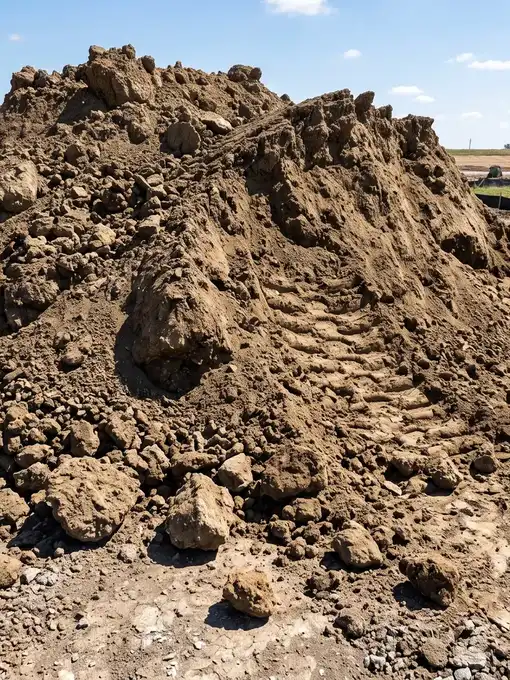
Bulk fill dirt delivered in Anchorage, AK. Brown color.
Starting from $467.99 delivered to Anchorage for 2 tons, our minimum order
Anchorage is the biggest city in Alaska, with about 291,000 people, and a lot of its building happens on lots that need to be brought up to grade before anything else goes on them. If you need fill dirt delivery in Anchorage, AK, this page covers what the material is, where it works, and how ordering goes. Fill Dirt is brown, sold by the ton, and meant for bulk filling rather than planting.
What fill dirt does on an Anchorage lot
Fill dirt is a bulk material for raising and leveling ground. It is not screened for gardens, so it earns its keep underneath things: slabs, patios, driveways, retaining wall backfill and low spots that hold water. A ton of it weighs 2,000 lb, and a cubic yard runs about 2,200 lb, so a yard comes out a little heavier than a ton.
In a city where winters are long, a stable base matters more than a pretty surface. Dirt placed under a future pad or drive should be solid, then topped with the material that will actually be seen. For planting beds, put Premium Screened Topsoil over the fill, and finish with Mulch once the plants are in.
Common jobs for fill dirt in Anchorage
- Foundation and slab prep: build up a low building pad before forms go in.
- Backfill: refill around footings, trenches, and the back side of retaining walls.
- Yard regrading: fill dips and soft spots so runoff has somewhere to go besides your door.
- Driveway and shed bases: a firm sub-base before gravel or a prefab building.
- Raised areas: berms, play areas and terraced garden steps.
Homeowners usually order for one yard project. Small contractors tend to order several loads for a build-up and want the same material each time, which is easier when the order is placed through one product page.
How many tons of fill dirt you need
Start with the footprint. Measure length and width in feet, decide the finished depth in inches, and multiply the three numbers together. Divide by 324 to get cubic yards, then multiply by roughly 1.1 to turn yards into tons, because this material runs about 2,200 lb per yard. A 20 ft by 15 ft pad filled 6 inches deep, for example, is about 5.6 cubic yards, or around 6 tons.
If you would rather not do the arithmetic by hand, the calculator does the conversion for you. Round the result up a little for uneven ground, since soil rarely lands as flat as the tape measure suggests. Loose dirt also packs down under a plate compactor or a few passes with machinery, so allow a margin for that and expect the finished surface to sit lower than the pile looked.
Anchorage fill dirt is sold in lots that begin at 2 tons. A single small flower bed will not use that much, but a modest pad or a regrade will.
Fill dirt delivery in Anchorage, AK: what your ZIP shows
MyGravelBuddy delivers Fill Dirt in Anchorage as a bulk load, dumped in one spot rather than spread. Open the product page, enter the ZIP for your jobsite, and the delivered price is calculated live for that address. Larger orders get a lower rate per ton, so combining a few small jobs into one order can make sense when the site allows it. The page for delivery in Anchorage has the local delivery details, and the statewide Fill Dirt in Alaska page lists where else this product goes.
Choose the drop spot before the truck shows up. It needs open ground, a clear approach, and no overhead wires or low branches above the lift of the bed. Keep a tarp and a few planks handy if the dump will land near a finished driveway or lawn you want to protect.
Placing the dirt once it lands
Work in lifts of a few inches rather than dumping the whole pile at once and hoping it settles evenly. Spread, compact, then add the next layer. Slope the finished grade away from any building so water leaves the foundation. If the area is soft or wet underneath, that is the time to bring in a different base material first. Pea Gravel can serve as a drainage layer in places where water collects.
Ordering in Anchorage
Pick the number of tons and check out. A second small delivery usually costs more per ton than one right-sized load, so settle the quantity before you order.
About Fill Dirt
Fill Dirt is a brown, general-purpose earth material sold by the ton. It is made for bulk work: raising grades, filling holes and building up pads. It is not a planting soil, so it is not screened or blended for growing lawns and gardens.
Typical uses include backfill around foundations and walls, leveling low areas of a yard, building up a base under a slab or patio, and forming berms. Because it is a natural material, texture and color can vary a little from load to load, and small stones or bits of organic matter may turn up in the pile. A ton weighs 2,000 lb. Compact it in layers for the firmest result, and cover it with topsoil if you plan to grow anything on top.
What Fill Dirt costs in Anchorage
Local Anchorage yards quote fill dirt by the ton; the delivered number includes fuel, the truck, and the haul. Send your ZIP and load size and we will send back a same-hour quote with the truck rate and the per-ton figure spelled out. A ton of this material spreads across about 98 sq ft when laid 3 inches deep, useful when you are sizing a patio base or a walkway run.
How crews use Fill Dirt in Anchorage
In and around Anchorage, fill dirt shows up most often on two project types. The most common deployment is erosion control, often in tight urban lots and infill builds in two to three inch lifts. Second on the list is driveway gravel, which we see in dense neighborhoods where curb access is short on partial-truck deliveries. At roughly 291,000 people, the Anchorage order mix leans toward 3 to 8 ton residential drops with the occasional 16 ton job for a contractor.
Delivery day in Anchorage
A typical Anchorage drop is dispatched from the closest yard with a two hour window and a heads-up call once the truck is loaded. Tandem trucks want a 12 ft lane in and out; tri-axles need 14 ft, and both want firm ground at the tipping spot so the load releases cleanly. Standard lead time on this lane is Mon-Sat, with same-day windows held open for orders that hit the desk before 11 AM and clear payment.
Related materials we deliver in Anchorage
 Price by ZIP
- SizeScreened, no size grade
- Density2200 lb/yd³
- ColorDark brown
 Price by ZIP
- Density2000 lb/yd³
- ColorDark brown
 Price by ZIP
- Density1000 lb/yd³
- ColorDark brown
Estimate how much you need
Work out your material
A planning figure, not a guarantee. Order roughly a tenth extra to cover settling and uneven ground.
Browse more
Common uses for Fill Dirt in Anchorage
Available in nearby cities
Plan your project
Related guides
 GUIDEHow Much Does River Rock Cost? By Ton or YardRiver rock cost depends on your ZIP code, order size, and whether you buy by the ton or the cubic yard. Here is how pricing works.Read guide →
 GUIDEWhat Size Crushed Stone Goes Under a Concrete SlabMost slabs need 4 to 6 inches of compacted crushed stone underneath. What size crushed stone under a concrete slab needs, and why it matters.Read guide →
 GUIDEWhat Is Crushed Stone? Sizes, Uses and Buying BasicsCrushed stone is quarried rock crushed and screened into angular pieces sold by the ton. Here is what it is, how it is graded, and where to use it.Read guide →
 GUIDEHow Much Does Gravel Cost? A Practical Pricing GuideHow much does gravel cost and why does it vary? See the real factors behind ton pricing, delivery, and order size before you buy.Read guide →
Frequently Asked Questions
What should I do about large rocks in the load?
Pick out larger stones and roots by hand or with a rake before spreading, and set them aside for the low edge of the job or haul them off. Small stones are normal in natural fill, but big ones left inside a pad can leave voids that sink later. Raking while you spread makes them easy to spot.
What should I do with leftover fill dirt?
Spread it thinly over other low spots, shape it into a berm or edging, or keep it for touch-ups after the first rain shows where the ground dipped. Cover a spare pile with a tarp so it does not blow or wash away, and keep it clear of fences, siding and foundation walls.
What is the difference between fill dirt and topsoil?
Fill dirt is for filling and leveling. Topsoil is screened, richer in organic matter, and meant for plant beds and lawns. Use fill for the thick bottom layers. Mixing the two roles in one pile tends to disappoint on both counts.
Will the dirt be wet or dry when it arrives?
It arrives as it comes, and moisture depends on conditions at the source. Damp dirt compacts well but is heavy and sticky to spread. Very dry dirt can be dusty. If it comes in wet, let a thin layer air out before compacting rather than packing it down while it is soggy.
How do I stop fill dirt washing away on a slope?
Keep the slope gentle, and cover bare dirt quickly. Seed with grass, lay straw or erosion blanket, or finish with a layer of mulch. Bare fill on a steep face will rill and wash out in the first hard rain or during spring thaw.
Can fill dirt hold up a driveway or shed?
It can serve as the sub-base when it is placed carefully and given time to firm up. Put a layer of crushed stone or gravel on top for the working surface, since loose dirt rutting under tires turns messy. Heavier structures call for a plan from a local builder or engineer.
Do I need to clear the area before the load arrives?
Yes. Remove sod, roots, trash and standing water where the dirt will be placed, and keep the dump spot free of vehicles. Burying organic material under fill leaves it to rot and sink later. A cleared, firm surface gives you an even result.
Can I order half a ton?
No. Fill dirt is sold in whole tons, so there is no half ton option. Work out your figure from the measurements, round to the nearest whole ton, and enter that quantity. If you are unsure between two numbers, compare both at checkout and pick the one that fits the job.